M25 junction 10 and the environment
As part of our M25 junction 10 improvements, we've restored heathland, replaced lost habitats and built the UK's first heathland green bridge, creating a lasting legacy for people and wildlife.

Heathland restoration
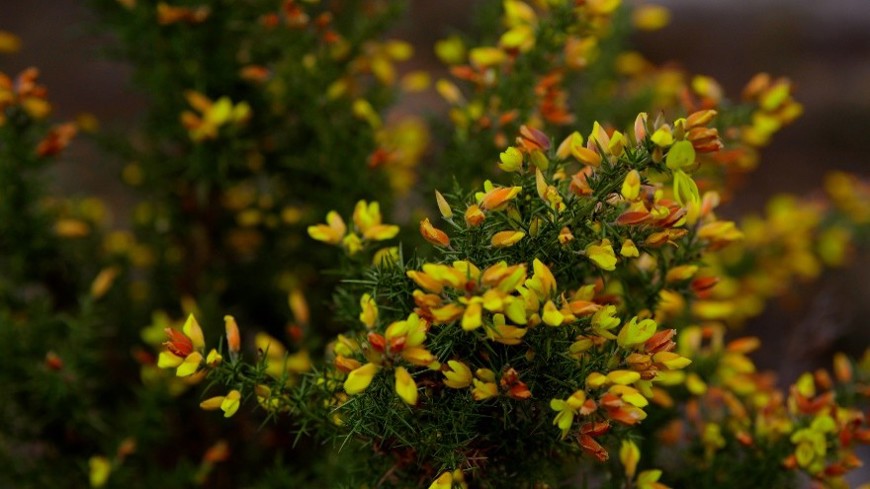
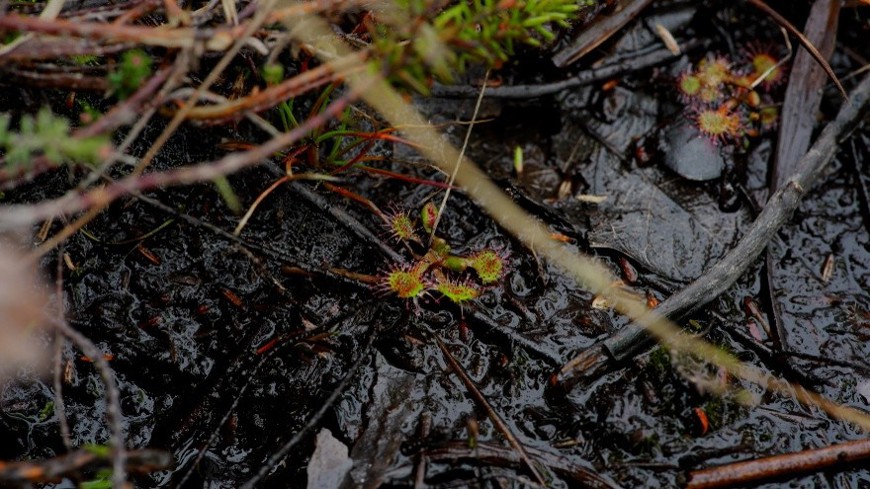
M25 junction 10 is surrounded by lowland heathland. Lowland heathland is one of the UK's rarest habitats and supports species that cannot thrive elsewhere. The heathland around Wisley and Ockham Commons forms part of the Thames Basin Heaths, an internationally important landscape for wildlife.
Over the last 200 years, heathland habitats in Surrey have declined by 85%. Around junction 10, a lot of heathland was lost when conifers were planted for timber.
The result is dense woodland dominated by Scots pine and birch. Overcrowded trees lead to poor ecological conditions, and the animals and plants that depend on heathland habitat disappear.
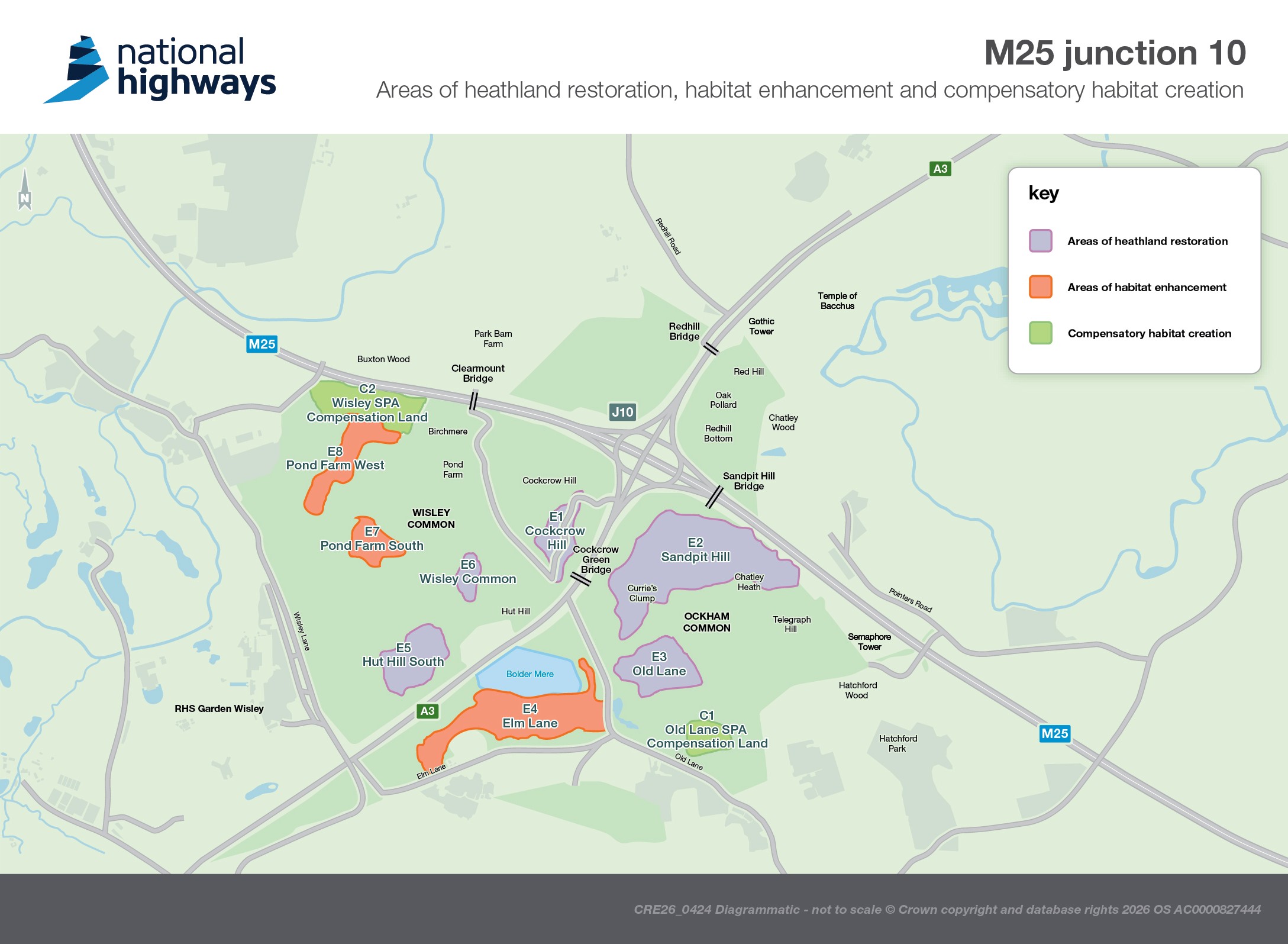
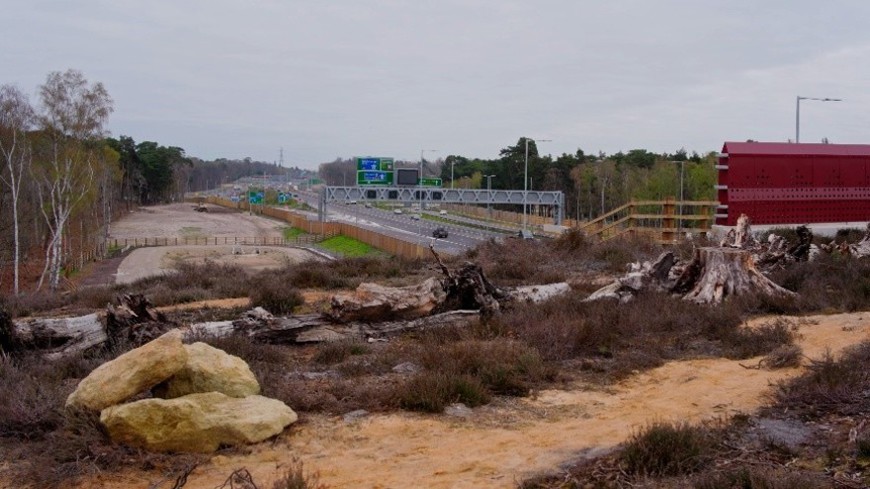
By clearing areas of woodland plantation, we've created conditions to allow the heathland to regenerate.
In this way we're restoring large areas of lost heathland at Wisley and Ockham commons.
Felling trees can look harsh and desolate, but it actually helps bring back rare wildlife and allows the heathland to grow.
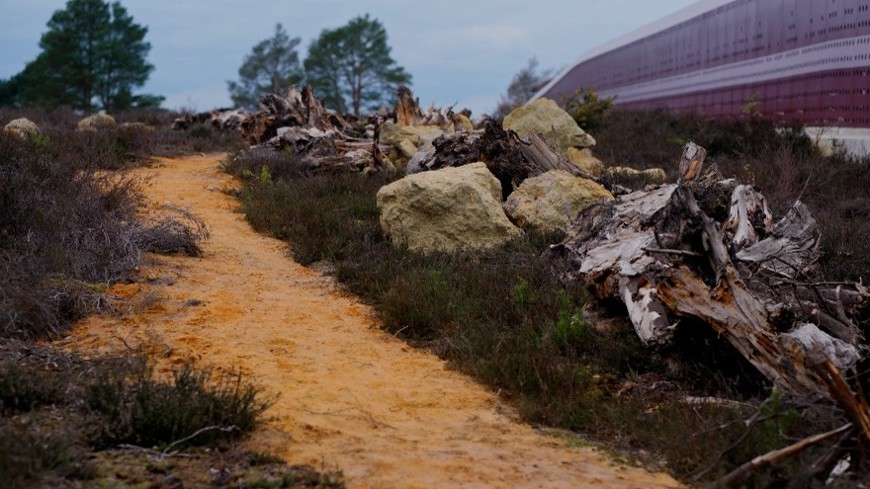
Where possible, we've used felled trees and shrubs in habitat creation. We've also recycled them into everyday products including fencing, benches and animal bedding.
Our scheme includes some of the most extensive environmental mitigation we've ever carried out. This video demonstrates how we've restored heathland habitats.
Our restoration work will be phased over several years. We'll manage and monitor restored and enhanced heathland for up to 25 years while they establish.
Woodland enhancement
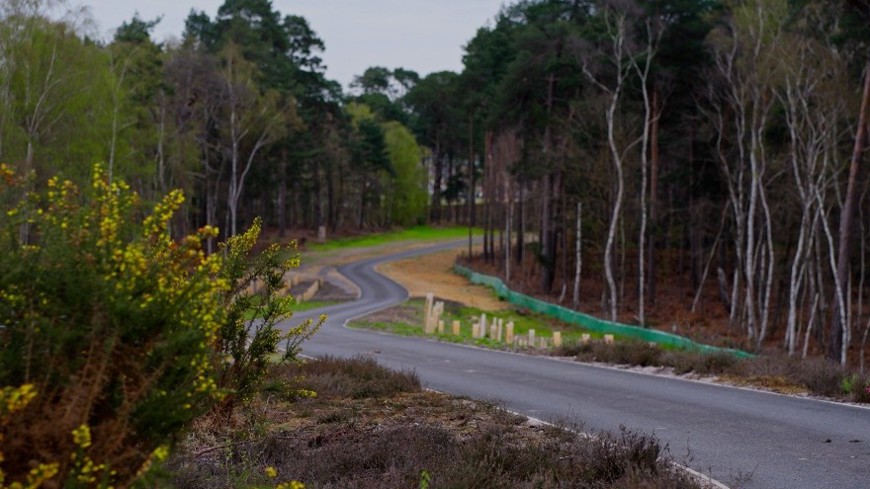
As well as restoring heathland, we've improved woodland habitats across the area. This includes thinning densely planted woodland, removing invasive species such as Japanese knotweed, creating more natural woodland edges and increasing the variety of trees and plants.
These changes allow more sunlight to reach the woodland floor, helping wildflowers, insects and other wildlife thrive while creating more resilient habitats for the future.
Maintaining habitats for wildlife
Where we clear or thin out woodland, we’ve taken steps to protect local wildlife.
We perform regular surveys to understand local habitats and the types of animals that live in them.
Where we cleared habitats temporarily for construction, we've reinstated them or established new ones, in line with relevant regulations and legislation.
Birds
We designed our work to protect local birds by avoiding the nesting season.
Restored and reconnected heathland will provide key important nesting habitat for woodlarks, Dartford warblers and nightjars, helping these species move more freely across the landscape.
More heathland within the commons will help species thrive: woodlarks reappeared in the commons shortly after the clearance of the woods, and we've created conditions for nightjars and Dartford warblers to establish in the future.
Toads
Three new underpasses with protective fencing beneath Old Lane allow toads to move safely on their journeys to and from breeding ponds, along with helping other small animals.
Bats
Nine species of bat live in this area. We designed lighting near pedestrian bridges so it's sensitive to bats and nocturnal animals. We also installed new bat boxes. Early monitoring on the Cockcrow heathland bridge suggests that bats are using it as a point to cross the A3, benefitting from its naturally darker surroundings and the food source that the heathland planting provides.
Badgers
We've conducted surveys to identify the location of established badger setts with a view to avoiding them or translocating them. Early in the project we constructed a new badger sett which now hosts a family of badgers.
The water environment
Bolder Mere
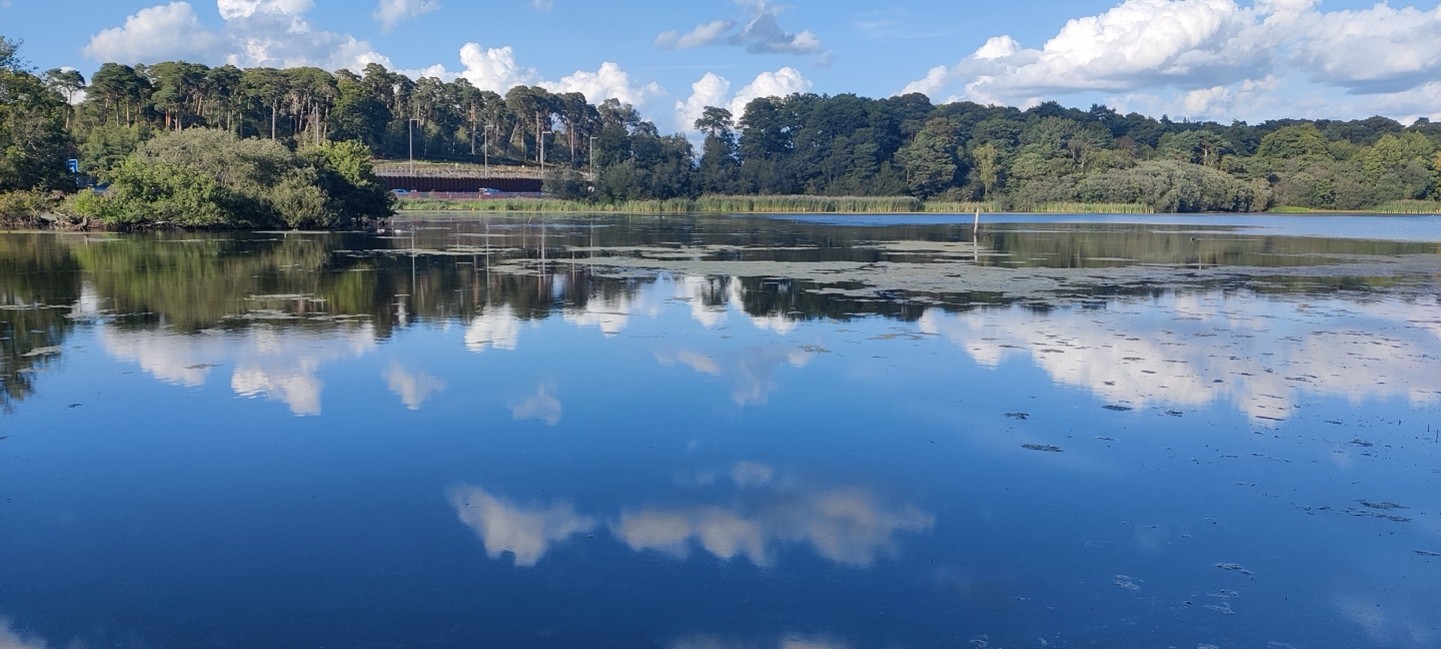
Bolder Mere is a shallow reservoir next to the A3.
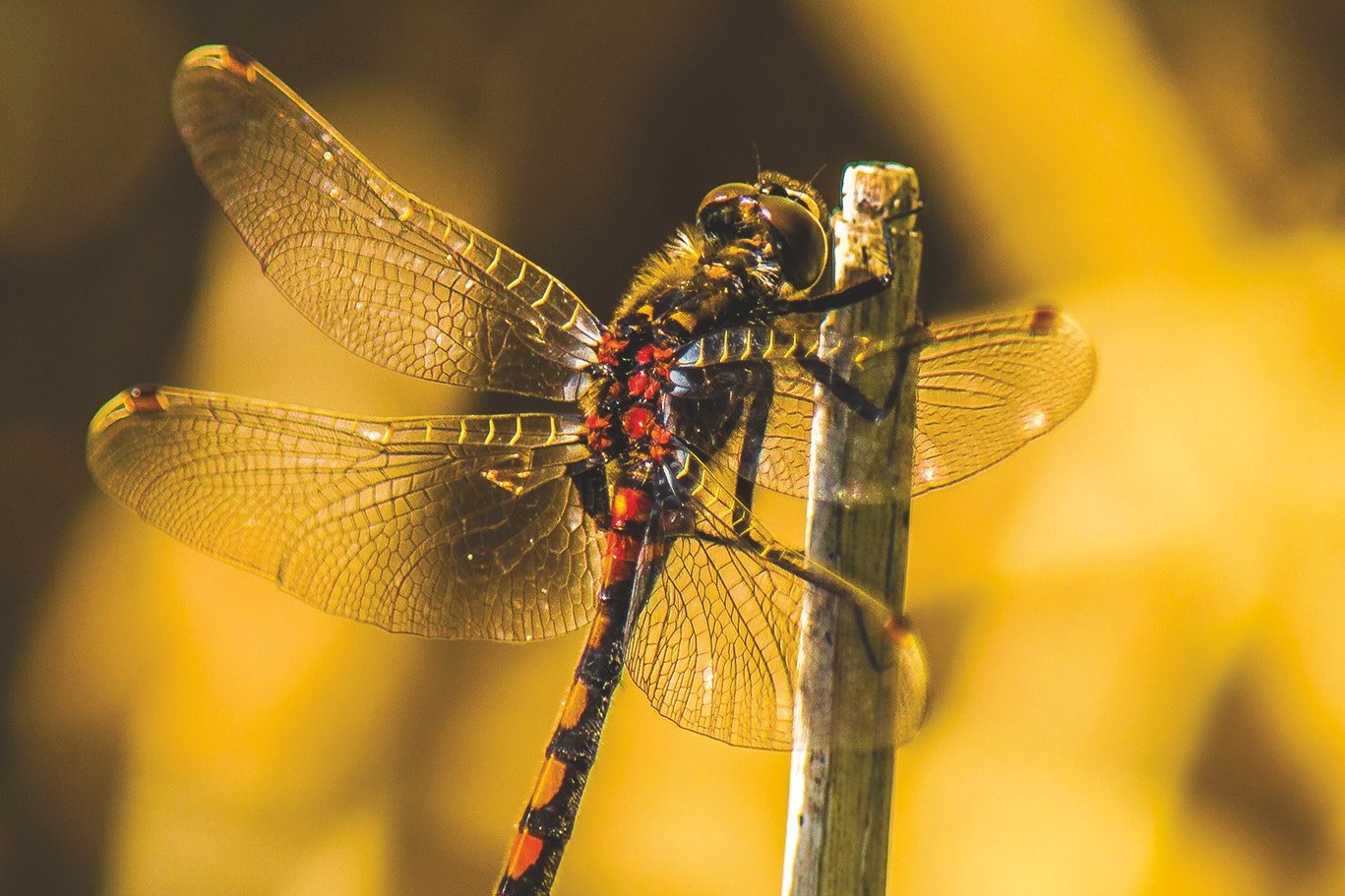
It's part of the Ockham and Wisley Commons Site of Special Scientific Interest (SSSI). This wetland environment is home to dozens of rare plants and insects. Over 20 species of dragonflies and damselflies live here including:
- the white-faced dragonfly
- local species like the hairy dragonfly and the ruddy darter.
We widened the A3 from three to four lanes at this location to help ease congestion.
To do this, we took away a small part of the lake.
To compensate, we developed a 15-year plan to improve habitats around Bolder Mere.
We’ll do this by:
- enhancing existing reedbeds on the northern edge of the lake, closest to the A3
- removing some trees to allow more light in, supporting wildlife living on and around the lake
These improvements will also attract a range of birds to the area, including many species of waterfowl in winter months.
We completely reconstructed the sluice and spillways that control water flowing out of Bolder Mere to reduce the likelihood of flooding in the future.
Road drainage and attenuation ponds
We’ve improved road drainage along the scheme to protect habitats like Bolder Mere and Stratford Brook.
We've used ponds (known as drainage ditches and attenuation ponds) to store water running off the road. We've planted these ponds with seed mixes suited to the local environment.
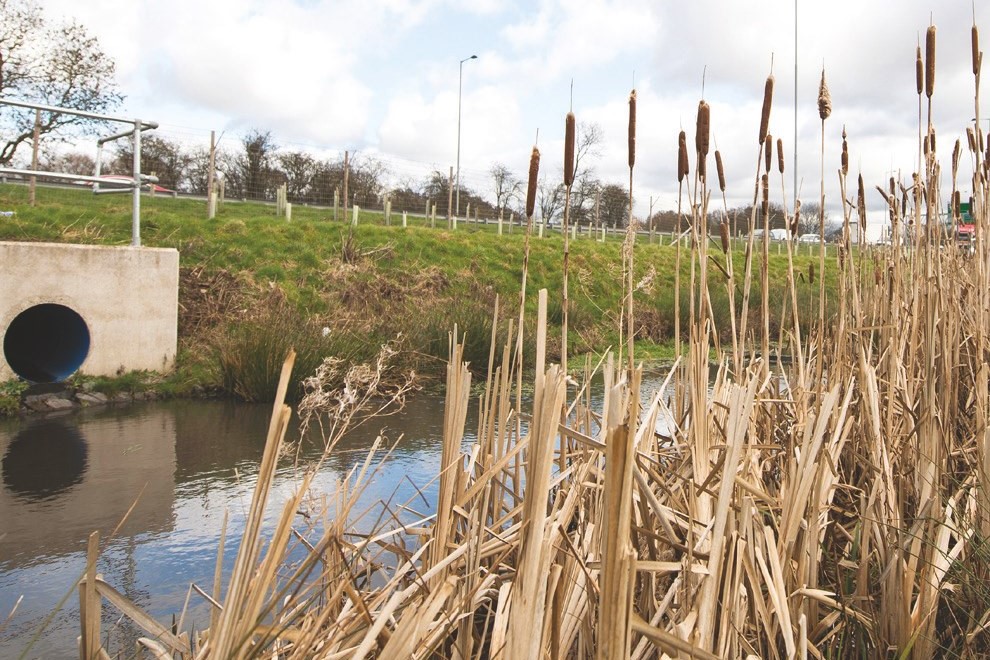
We've built a culvert at the new Elm Lane. This carries the stream running from the former Wisley Airfield and Wilderness Farm areas to Bolder Mere.
Stratford Brook
We’ve made it easier for wildlife to pass along Stratford Brook, a small stream flowing under the A3 at Ockham.
We've built the new Wisley Lane over the brook, allowing animals to pass freely underneath.
We've planted hedges to guide mammals under the bridges and away from roads.
Long-term management
Environmental improvements don't happen overnight. We'll continue to manage and monitor many of these habitats for up to 25 years, helping ensure they establish successfully and deliver long-term benefits for wildlife and working with Surrey Wildlife Trust to ensure their long-term stewardship.
We have an environmental stakeholder group that will track how the enhancements are performing in the long-term, which can recommend changes to management practices if needed in future.
Cockcrow heathland bridge
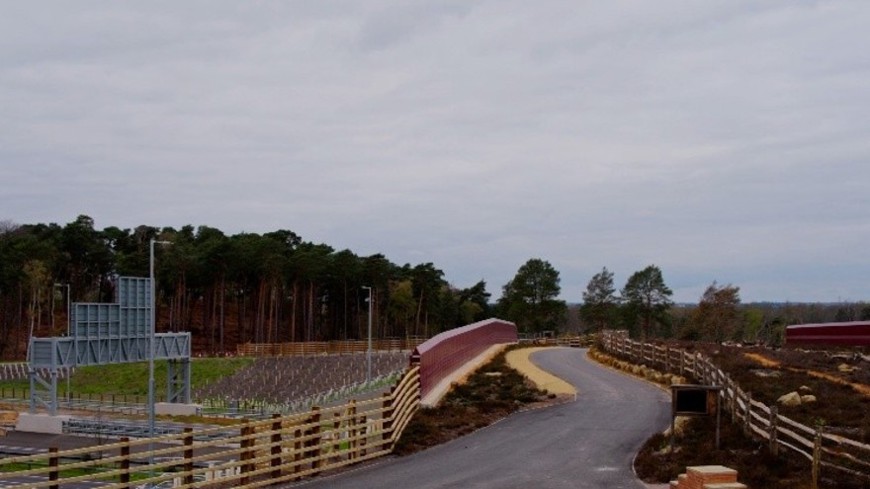
Our scheme included the UK’s first heathland green bridge, creating a new wildlife corridor that reconnects habitats previously separated by the A3.
Cockcrow bridge, which is 30m wide and 68m long, reunites Ockham and Wisley commons, making it easier for wildlife to move between habitats and helping species build stronger, more resilient populations.
We've planted the bridge with heather and other heathland shrubs taken from donor sites in the surrounding area. It provides a safe, natural corridor for local wildlife to spread and increase across the local area. This includes animals like sand lizards, silver studded butterflies and heath tiger beetles.
The bridge also improves access for people. Walkers, cyclists and horse-riders are now able to cross the bridge on a four-metre wide track.
Only a limited number of vehicles can use the bridge to access properties on Wisley Common, including the headquarters of Surrey Wildlife Trust.