Building the Lower Thames Crossing
We’ve started early construction work on the crossing
Explore our interactive map
Our interactive map will show you work, including traffic measures, taking place in your local community
Find out moreAfter years of vital consultation and design development to improve our plans, work has now started on the Lower Thames Crossing.
What types of work are we doing now?
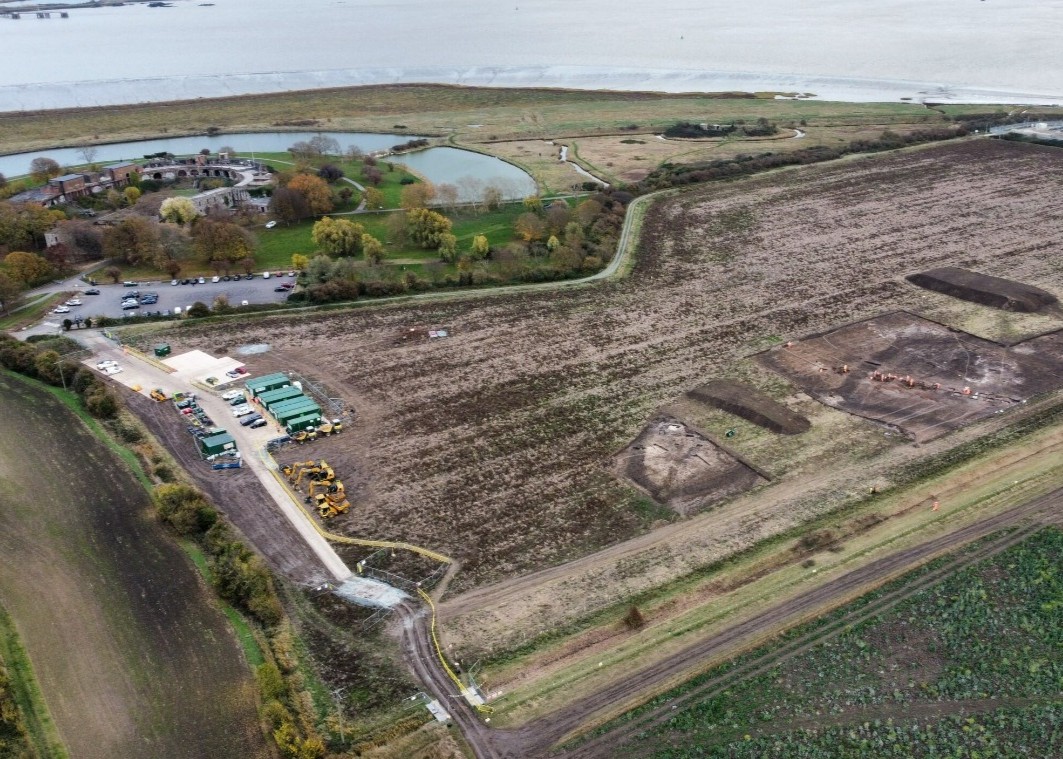
Compounds - we are setting up compounds along the route to support construction and provide facilities for workers, storage for materials and space for machinery. We’re creating haul roads, which are temporary roads within a work area, to keep construction vehicles, materials and equipment off local roads.
Creating new habitats - we have started to create bigger, better and more joined up habitats across the region. Starting this work now ensures that we avoid or minimise disturbing the existing environment and gives new habitats time to establish and flourish.
Surveys - we’re doing detailed surveys to uncover and protect the region’s heritage, understand how and when to protect wildlife and create new habitats and we’re investigating ground conditions to give us the detailed information we need to build the tunnels, bridges and structures safely and efficiently.
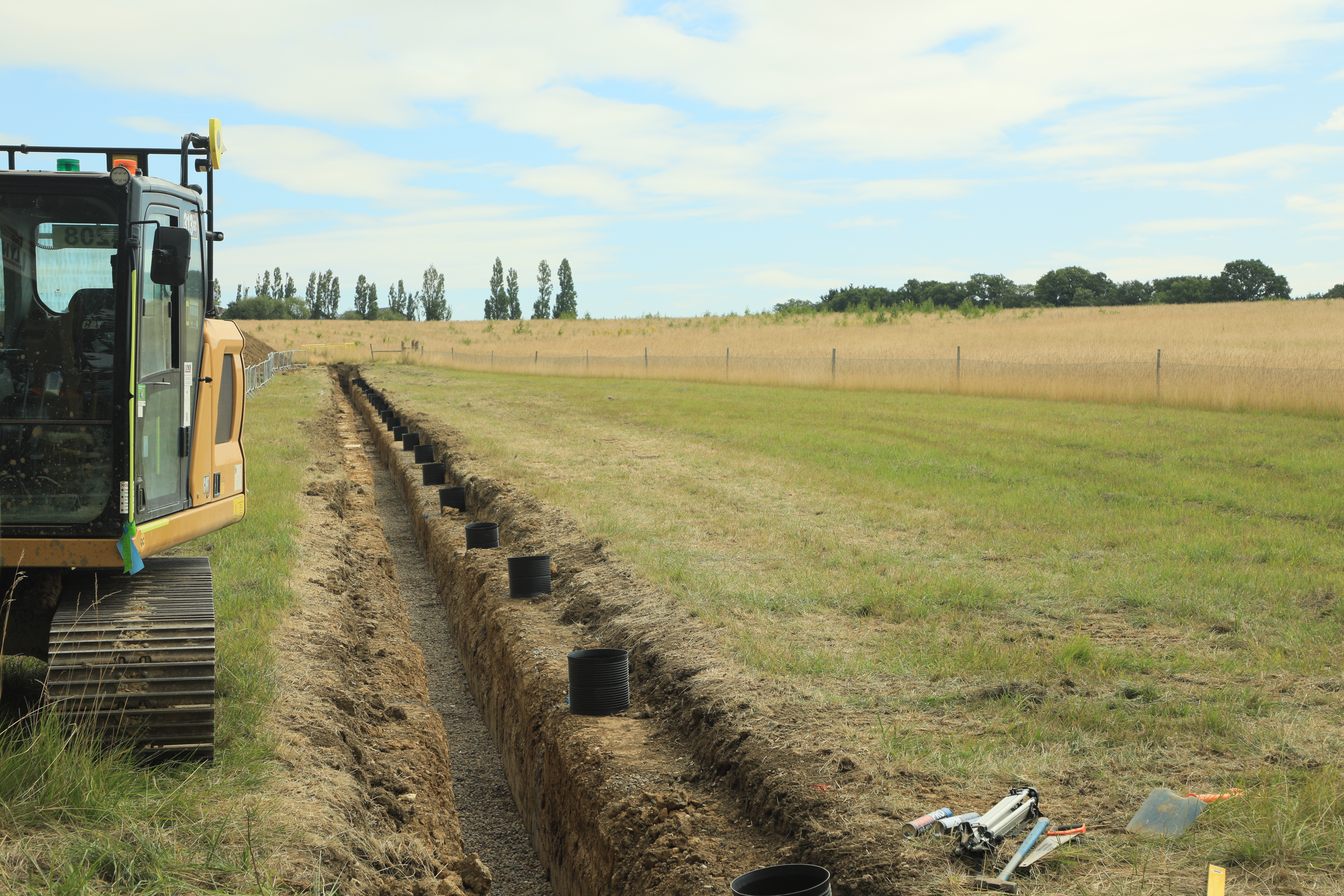
Utility diversions - we are also diverting the network of gas, water and electricity lines near the route to allow us to build the new road without affecting supplies to homes and businesses nearby.
Find out more
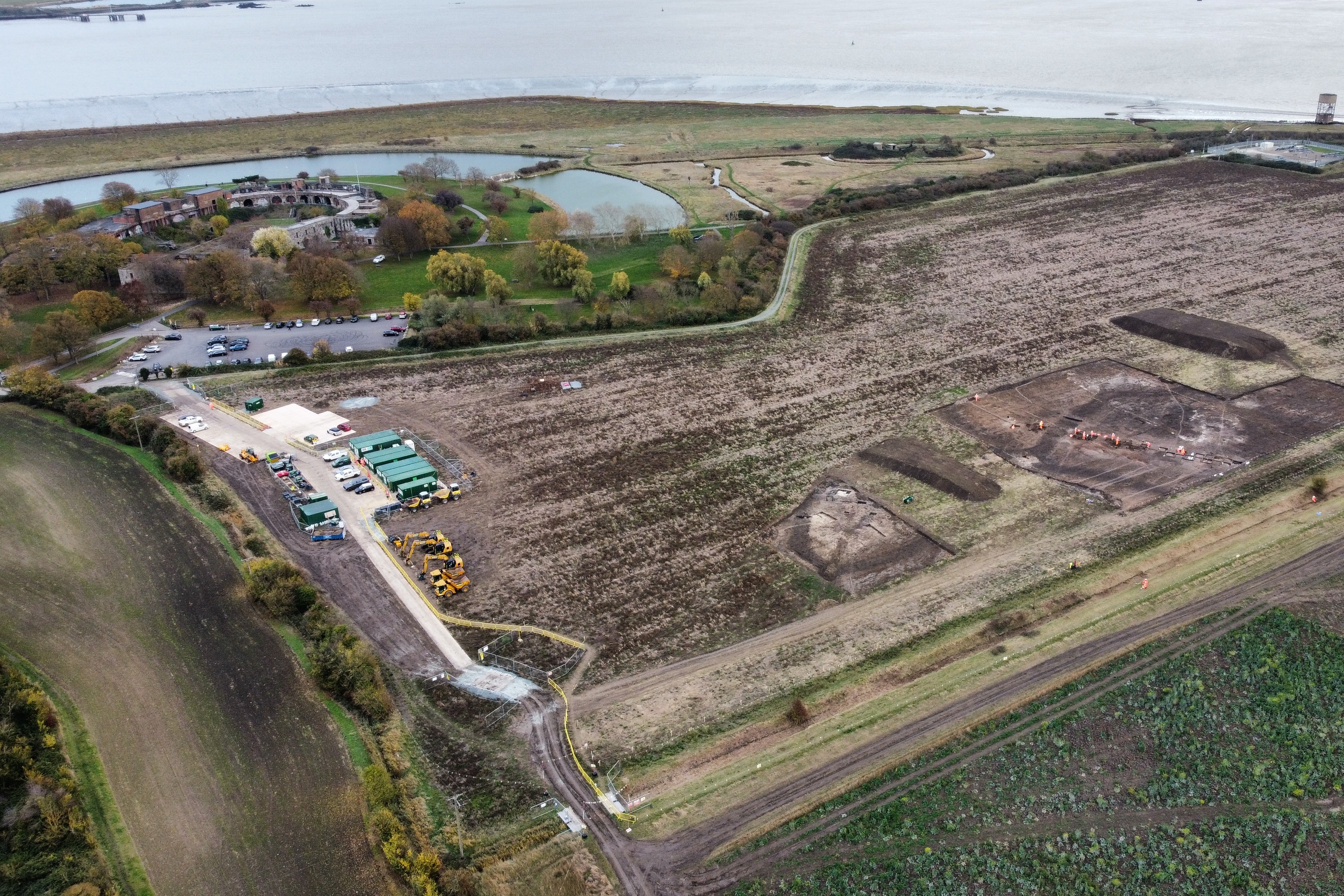
Compounds and haul roads
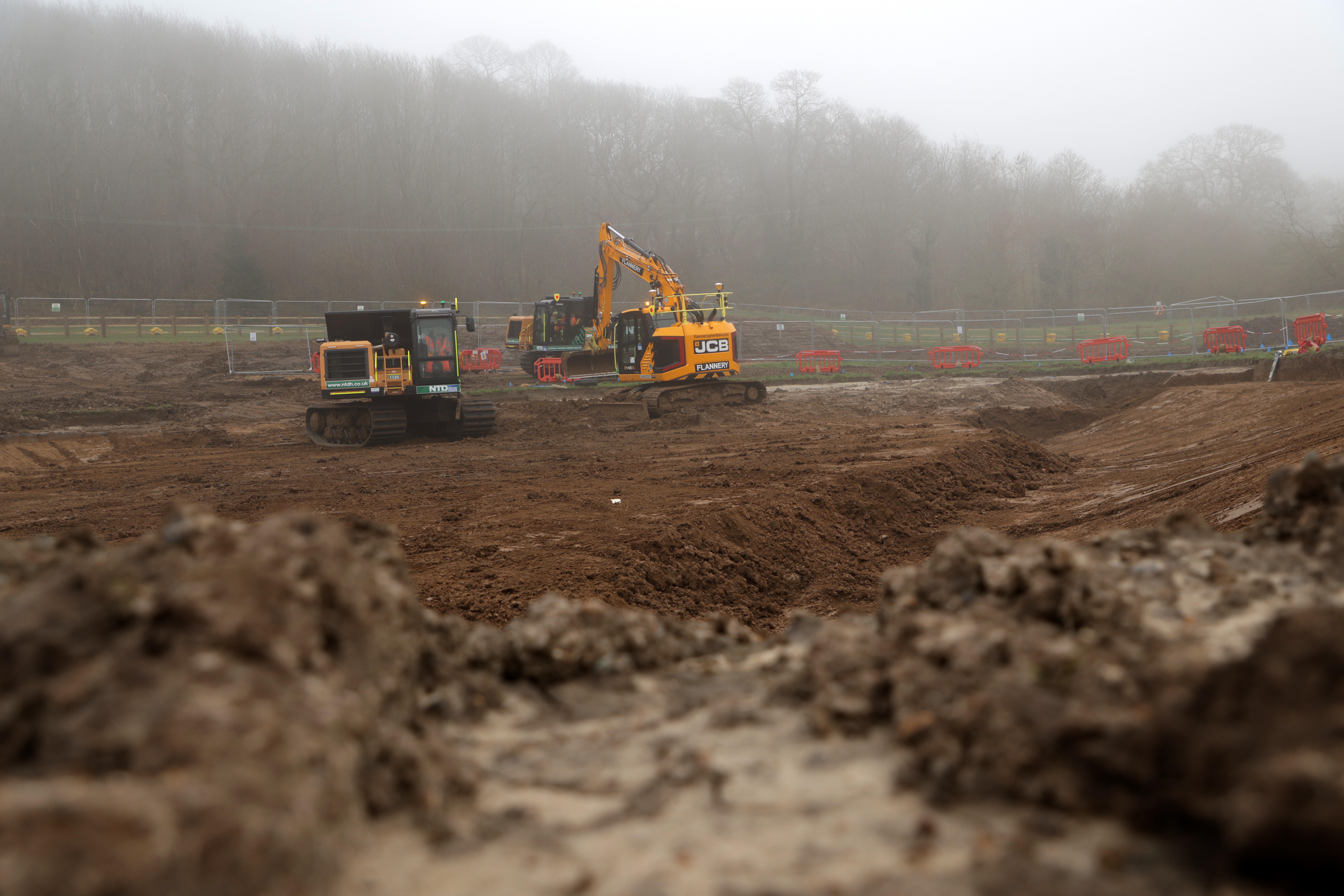
We’re setting up temporary compounds along the route to support construction and these compounds may include offices, facilities for workers, storage for materials, and space for machinery and vehicles. We will also create haul roads – these are temporary roads within in a work area, used by construction vehicles to move materials, equipment and people and keep them off local roads.
You might see fencing going around the compounds, and access points from roads being created. There may be short-term increased activity, noise, and traffic near these sites during their set up. Plans to reduce these disruptions include noise barriers, dust control, and using the haul roads once they’re built to reduce the materials, equipment and people on local roads. You may also see large mounds of soil and ground material that will be used as a natural barrier from the construction sites to reduce noise and visual impacts.
Creating new habitats
We’re working to protect wildlife and habitats, and create bigger, better and more joined-up habitats across the region. We’re doing this work now to avoid or minimise disturbing the existing environment and allow enough time for any new habitats we create to establish and flourish.
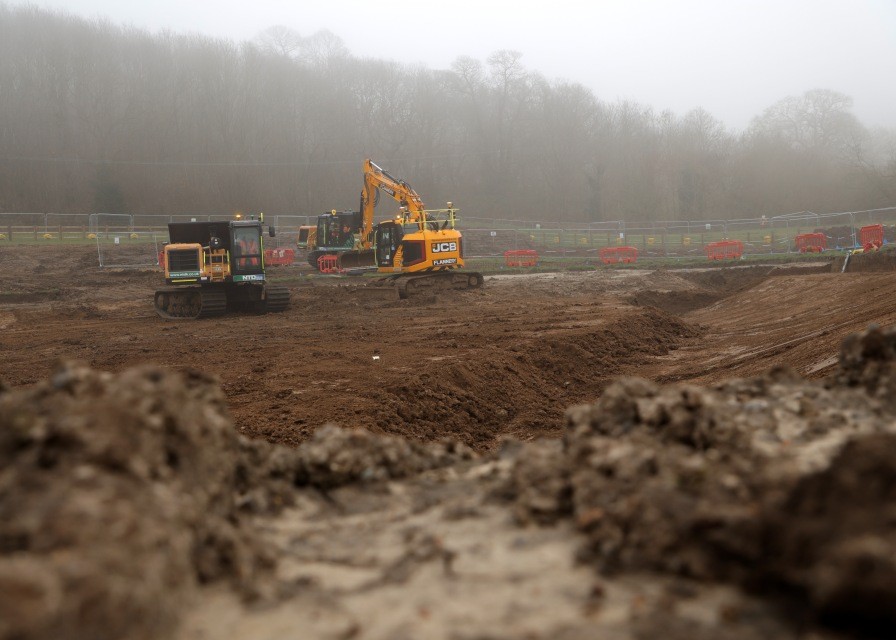
You may see teams preparing areas of land with small or large machinery to create ponds, woodlands and other habitat types. You may also see protective fencing, planting and landscaping in these areas.
Ecological surveys
Our teams carry out seasonal checks for protected species like bats, badgers and water voles, map their habitats, and take samples to help design new ones. These surveys give us the detailed information we need to protect wildlife and create bigger, better and more joined up habitats across the region.
You might see some of our teams working in small groups taking notes or photos as they carry out checks on local wildlife and habitats.

Archaeology
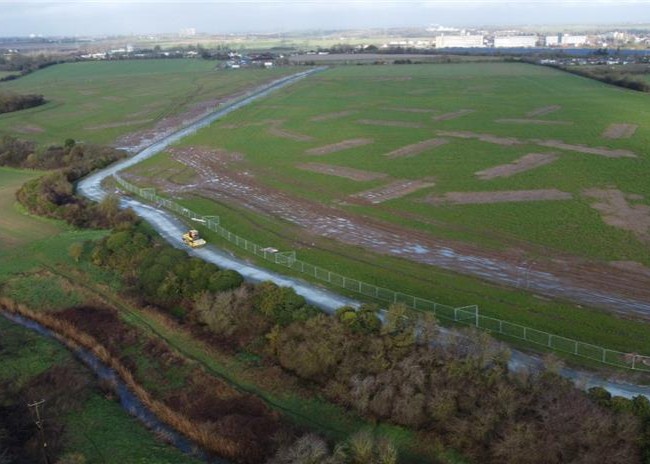
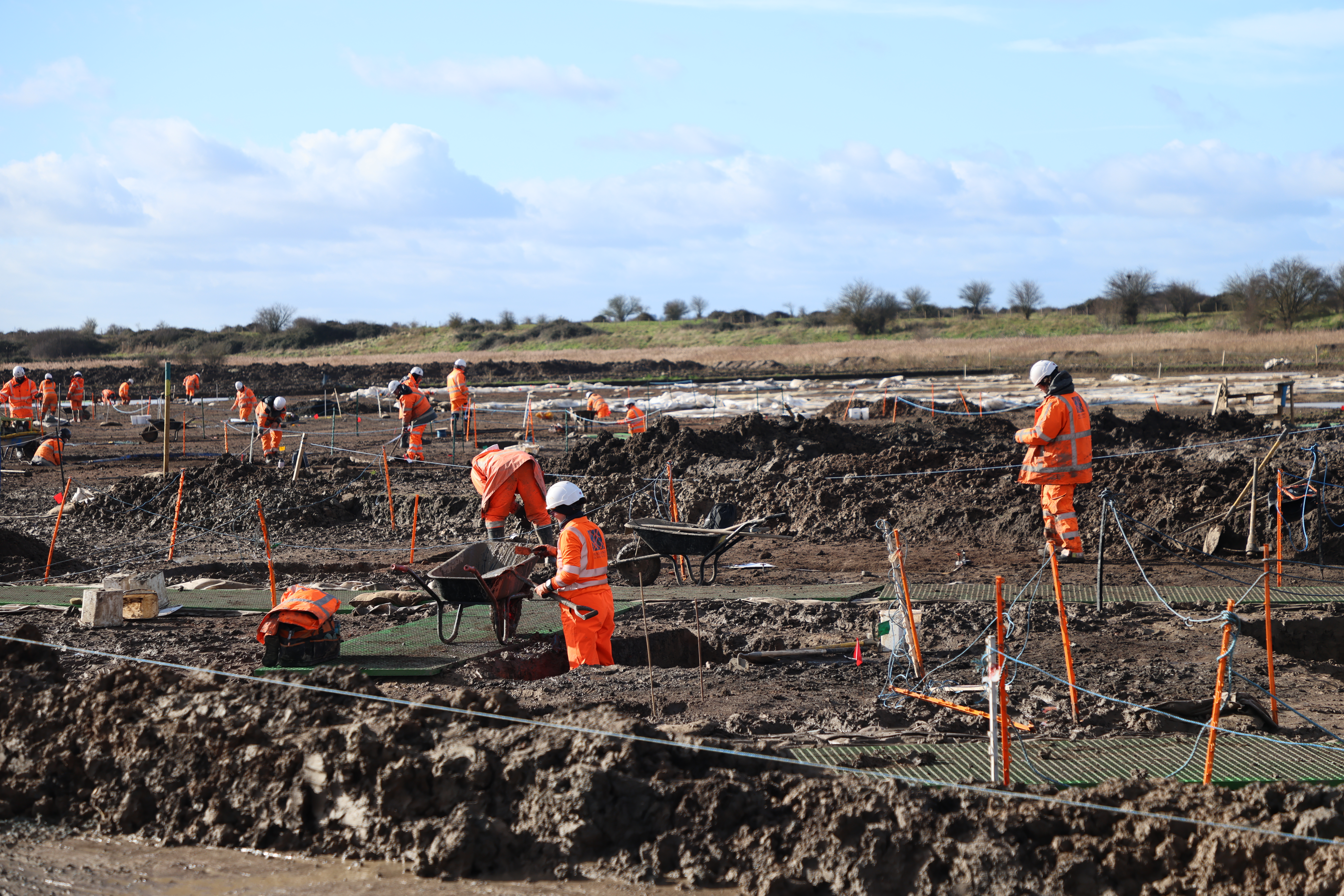
Our specialists carry out surveys and dig trial trenches to identify historic remains, then carefully excavate and record artifacts like pottery or ancient structures. Where possible, we’ll protect heritage where we find it and, if removal is needed, detailed documentation ensures nothing is lost.
You might see archaeologists on farmland or open areas near the route, using excavators and hand tools to dig. Noise is minimal and comparable to farm machinery and soil is replaced after digging.
Ground investigations
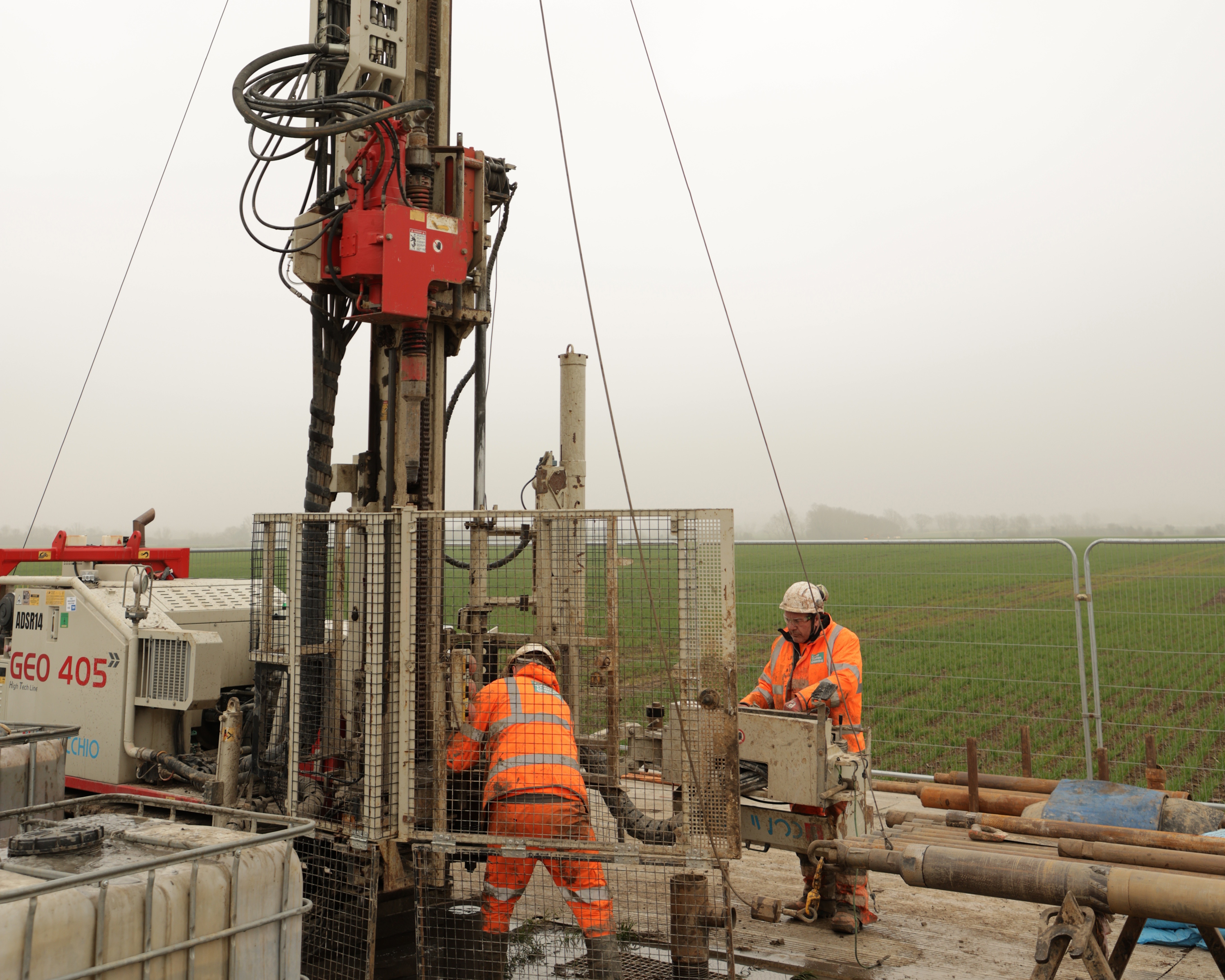
Ground investigations are the detailed study of the soil, rock and ground water of the area. They involve activities like drilling boreholes, digging trial pits, and taking soil, rock, and groundwater samples. We carry out these tests to understand the geology, strength, and stability of the ground, identify risks such as contamination or when the level of water in the ground is close to the surface. This helps design safe foundations and structures for the project.
You might see small teams and equipment on site and hear some noise in the daytime. If our investigations are on the road network, you may see temporary traffic management to keep everyone safe.
Utility diversions
In many locations across the route we need to move essential services, both above and below ground, like electricity, gas, water and telecoms out of the way before we start major construction work. These utility diversions are delivered by utility providers to make sure the route is clear for main construction, reduce the risk of delays later and keep vital services running for local people and businesses while we build.
During utility diversion work, you may see teams and specialist equipment along the route as we move essential services like electricity, gas, water and telecoms. There could be short-term traffic management, temporary lane closures or diversions to keep everyone safe, and we’ll work hard to minimise disruption. You may also see the construction of deep vertical shafts, which will be used to lower and move gas mains underground, as well as the instillation of new pipe work closer to the surface.
This work is carefully planned with utility providers to keep vital services running for local people.