Environment
Environmental summary
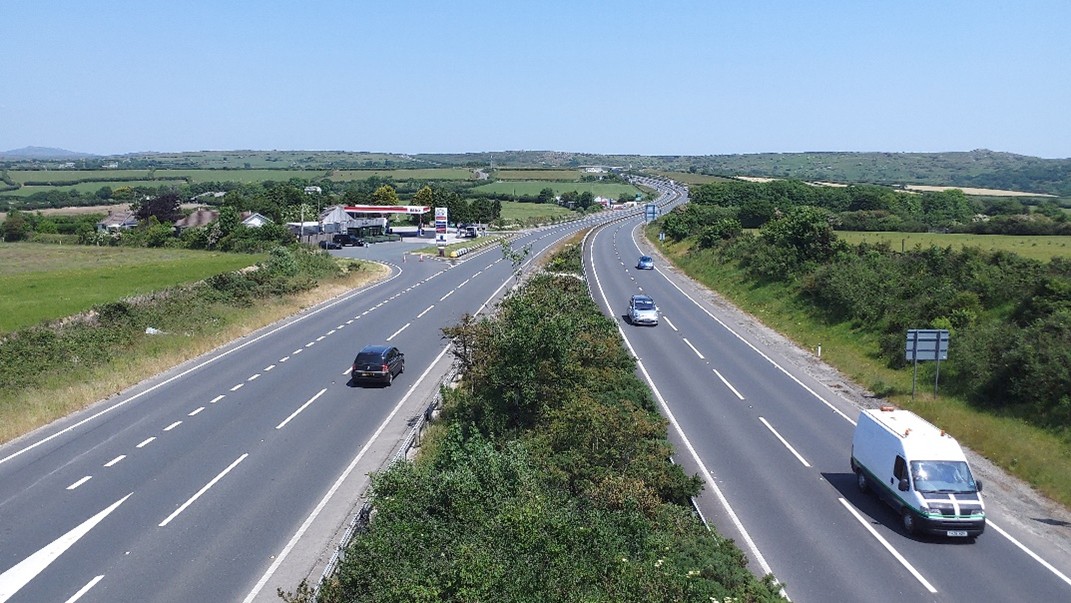
The A30 Temple to Higher Carblake lies in a sensitive environment with the Bodmin Moor area of outstanding landscape beauty (now part of Cornwall National Landscape), Site of Special Scientific Interest and several historic features within the project’s study area. The habitats in and around the project are known to support a variety of protected species and whilst there are very few properties in this rural location, the small number of individual properties that are present are quite close. These environmental constraints all informed the environmental design of the project.
Five years after opening, the project is delivering many of the environmental outcomes that were originally forecast. However, the environmental (landscape and ecology) aspects of the project are still being maintained and monitored by Cornwall Council pending handover to National Highways. Much of the mitigation put in place during construction has established; however, issues have been identified in a number of locations relating to the condition of landscape plots. There are also outstanding issues associated with drainage features. The evaluation has highlighted the need for continued maintenance activity to ensure that long-term environmental benefits can be fully realised.
Overall, the project is performing broadly as expected, and with concerted maintenance attention to landscape plots prior to handover to National Highways, the long term environmental outcomes should remain on track.
| Environmental theme | Predicted appraisal outcome | Evaluation outcome | Evaluation summary |
|---|---|---|---|
| Noise | NPV: -£0.029 million. Slight adverse | As expected | Noise mitigation such as a noise barrier and low noise surfacing was provided. Traffic analysis indicated a slight increase in %HDV but an overall reduction in total flows. This suggested noise impacts would be broadly as predicted. |
| Air quality | Slight adverse | As expected | A comparison of forecast against observed traffic data suggested that air quality impacts were not significant as was predicted. Concentrations of vehicle pollutants were anticipated to remain below the relevant standards as expected. |
| Greenhouse gases | NPV: -£9.09 million. Adverse | Better than expected | On the basis of the limited dataset available, it is possible that the project has led to a smaller increase in CO2 emissions on the road links assessed than was predicted. This was due to observed flows being lower than predicted. |
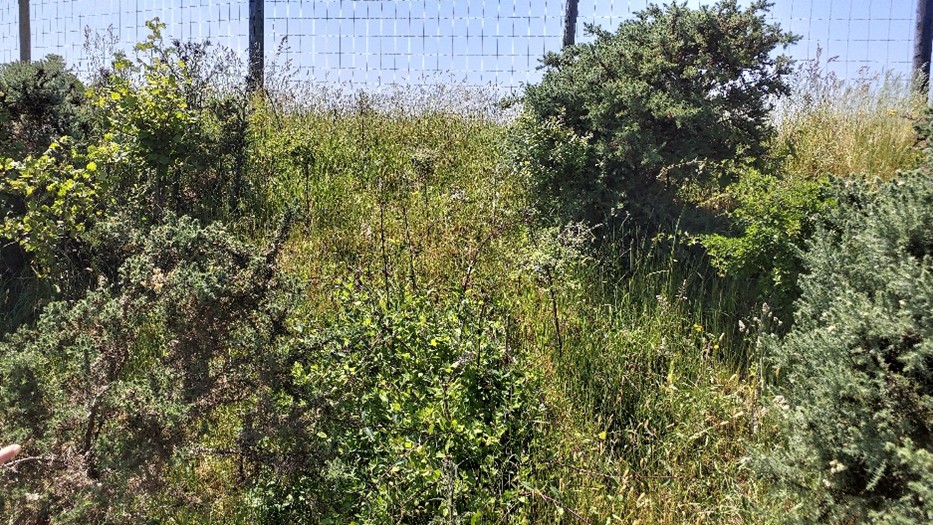
| Landscape | Slight adverse | As expected | The A30 had become more prominent, and the expected mitigation had been provided. However, many of the plots were overgrown and whilst natural regeneration of gorse had been expected it did present a risk that needed to be managed if the design year outcome was to be delivered. |
| Heritage of historic resource | Slight adverse | As expected for archaeology and listed building and worse than expected for historic landscapes. | The project had increased the awareness of the A30 route corridor within the historic landscape. However, an overbridge had been included at Temple Tor junction which the Environmental Statement predicted would cause moderate adverse effects. Impacts to archaeology and listed buildings were likely to be as expected. |
| Biodiversity | Slight adverse | Worse than expected | The evaluation identified that more active management of gorse and other vegetation is needed to maintain suitable habitat for species such as the marsh fritillary butterfly. Dormouse monitoring indicates that mitigation has been successful, and ongoing maintenance and ecological monitoring will help ensure the project's biodiversity benefits are sustained over the long term. |
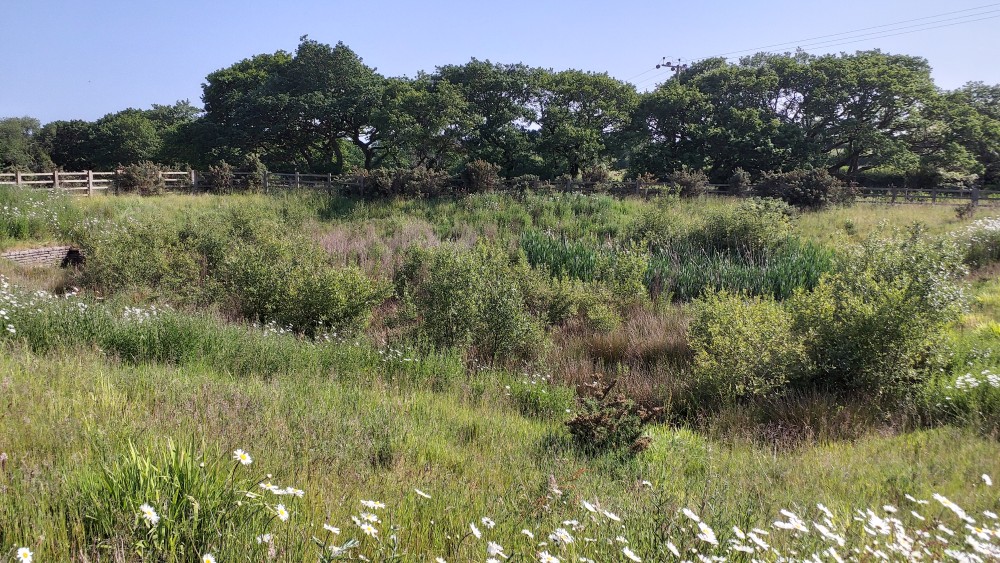
| Water environment | Neutral | Worse than expected | Drainage mitigation was implemented. However, features such as ponds and ditches were heavily overgrown with trees and shrubs. Regular vegetation management and maintenance will help ensure these features continue to manage surface water effectively, reduce flood risk and support the biodiversity benefits they were designed to deliver. |
Photos