Environment
Environmental summary
The A1 Leeming to Barton passes through a predominantly flat rural, agricultural landscape and follows an ancient routeway with significant cultural heritage value. This includes two scheduled monuments near Catterick and several listed buildings. There are no nationally protected landscapes along this section of the A1 although there are isolated residential properties and the route does pass through Brompton-on-Swale and close to Catterick. The widening of the A1 also had the potential to increase habitat fragmentation and impact on a range of protected species. These environmental constraints all informed the environmental design of the project.
Five years after opening, the project is delivering many of the environmental outcomes that were originally forecast. Much of the mitigation put in place during construction had established and significant archaeological investigations and discoveries were made. Our evaluation has highlighted opportunities to strengthen maintenance activity so that long term drainage benefits can be fully realised.
Overall, the project is performing broadly as expected, and with continued maintenance attention including a new drainage renewals programme that has now been introduced, the long-term environmental outcomes should remain on track.
| Environmental theme | Predicted appraisal outcome | Evaluation outcome | Evaluation summary |
|---|---|---|---|
| Noise | Net present value (NPV) £3.7 million | As expected | Noise barriers and low noise surfaces had been installed as expected. A comparison of observed flows against forecast suggests overall impacts will be consistent with those predicted in the Environmental Statement. |
| Air quality | NPV £0.38 million | Not significant as expected | A comparison of forecast against observed traffic data along with a review of available modelled NO2 concentrations confirm impacts were not significant as expected. |
| Greenhouse gases | NPV -£5.8 million | Better than expected | As the total traffic flows are lower than forecast overall emissions are likely to be lower than forecast. However, the absence of data on HGVs and for one of the links along the project extent means this outcome is uncertain. |
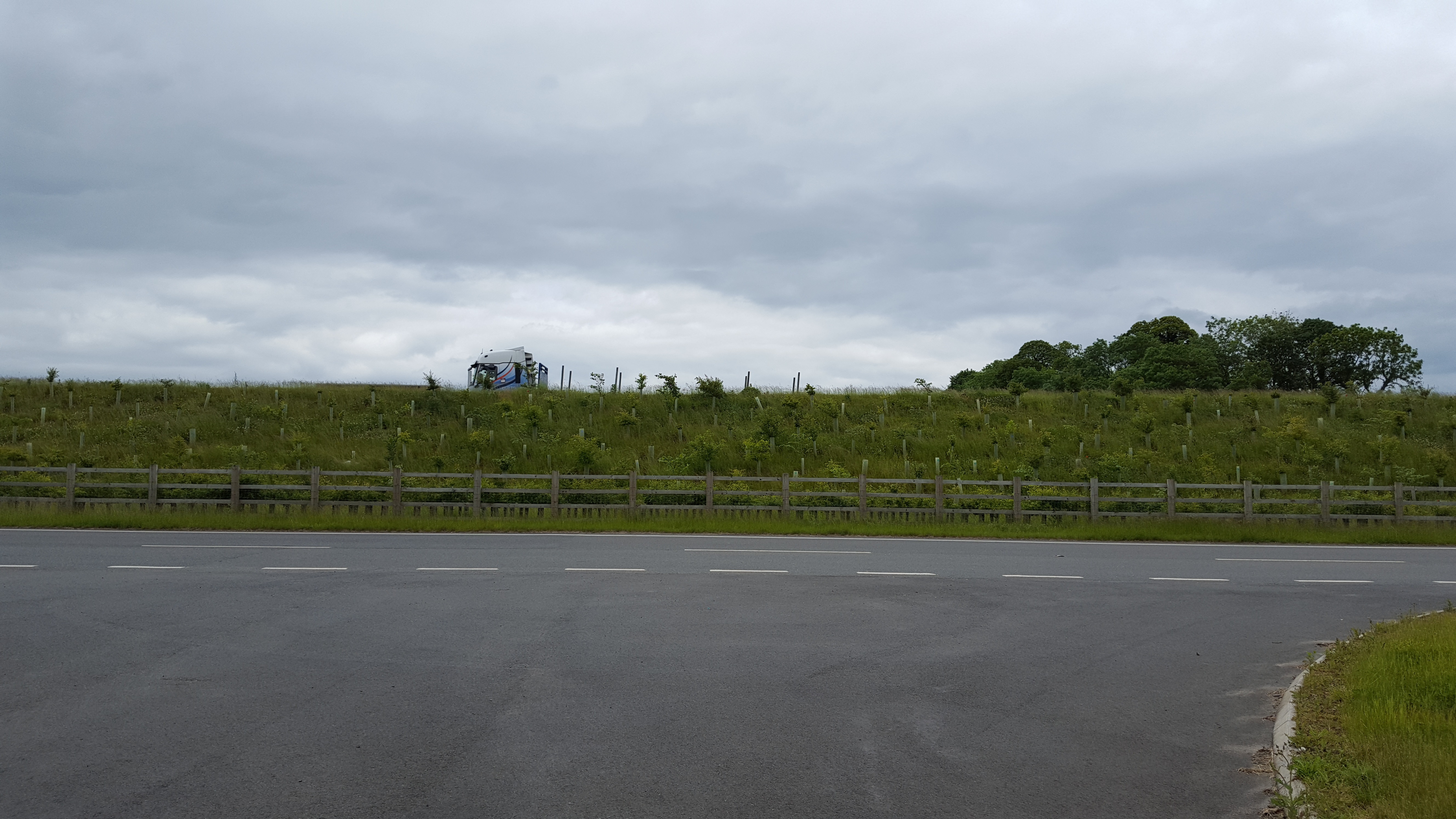
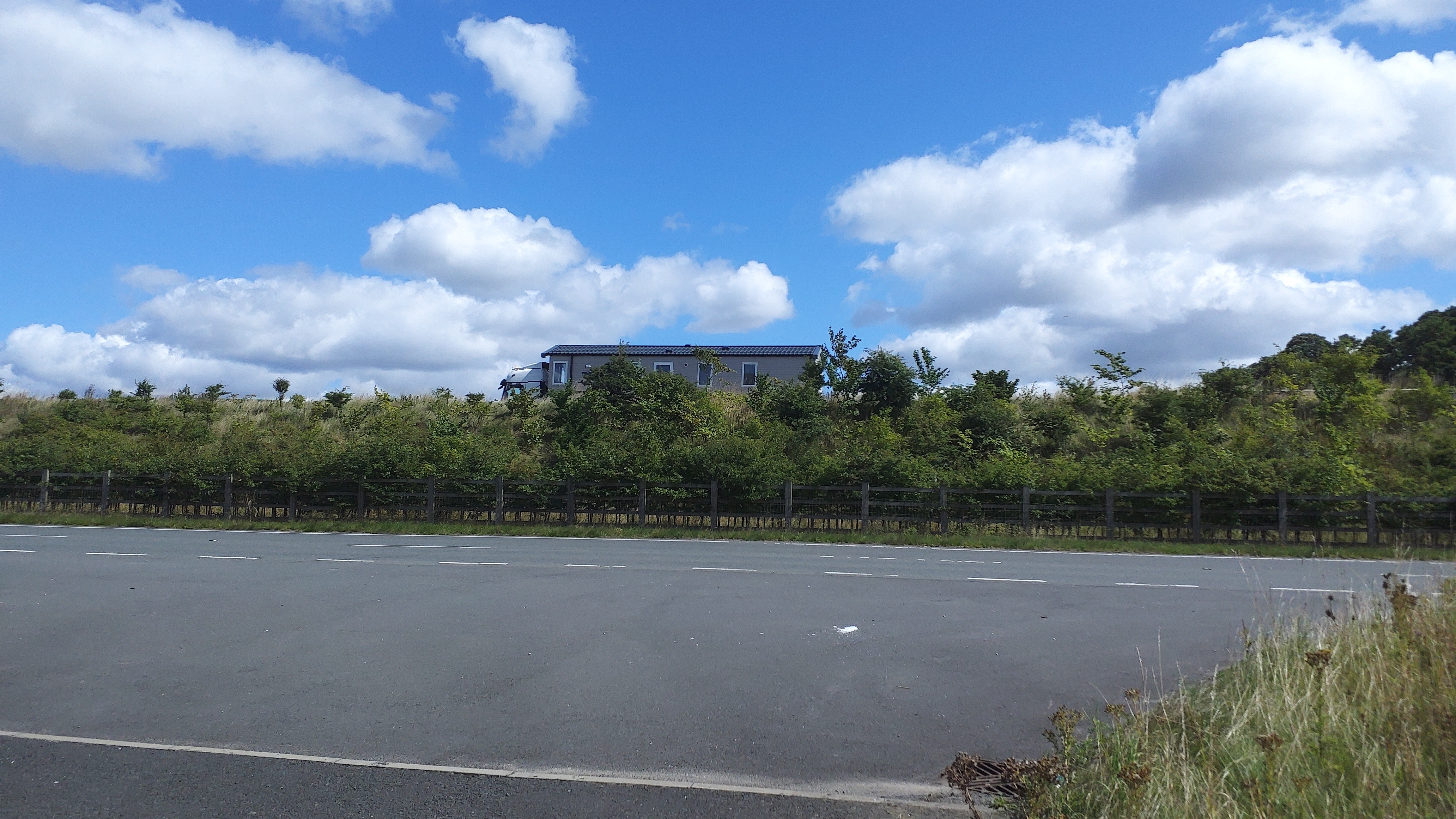
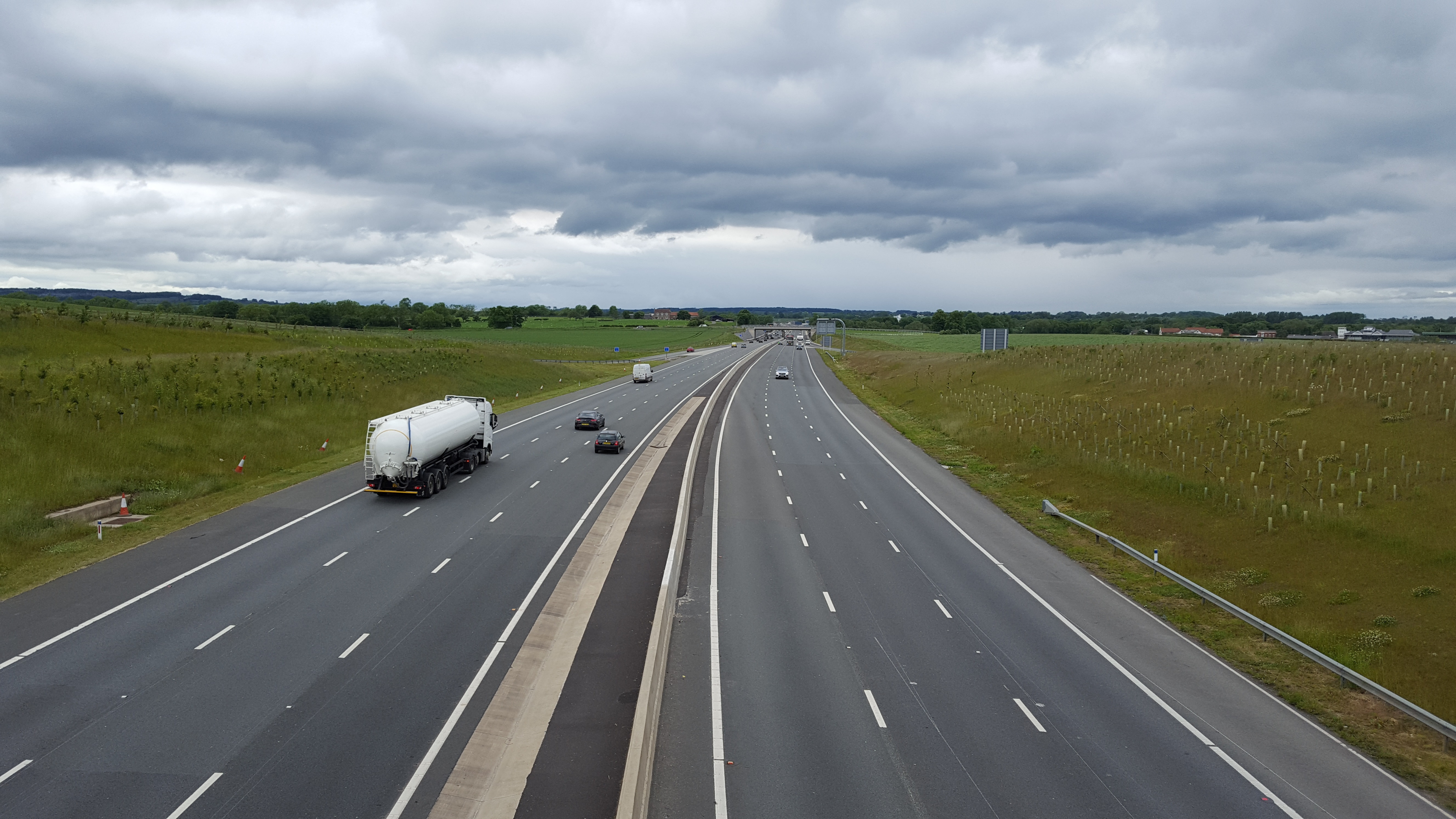
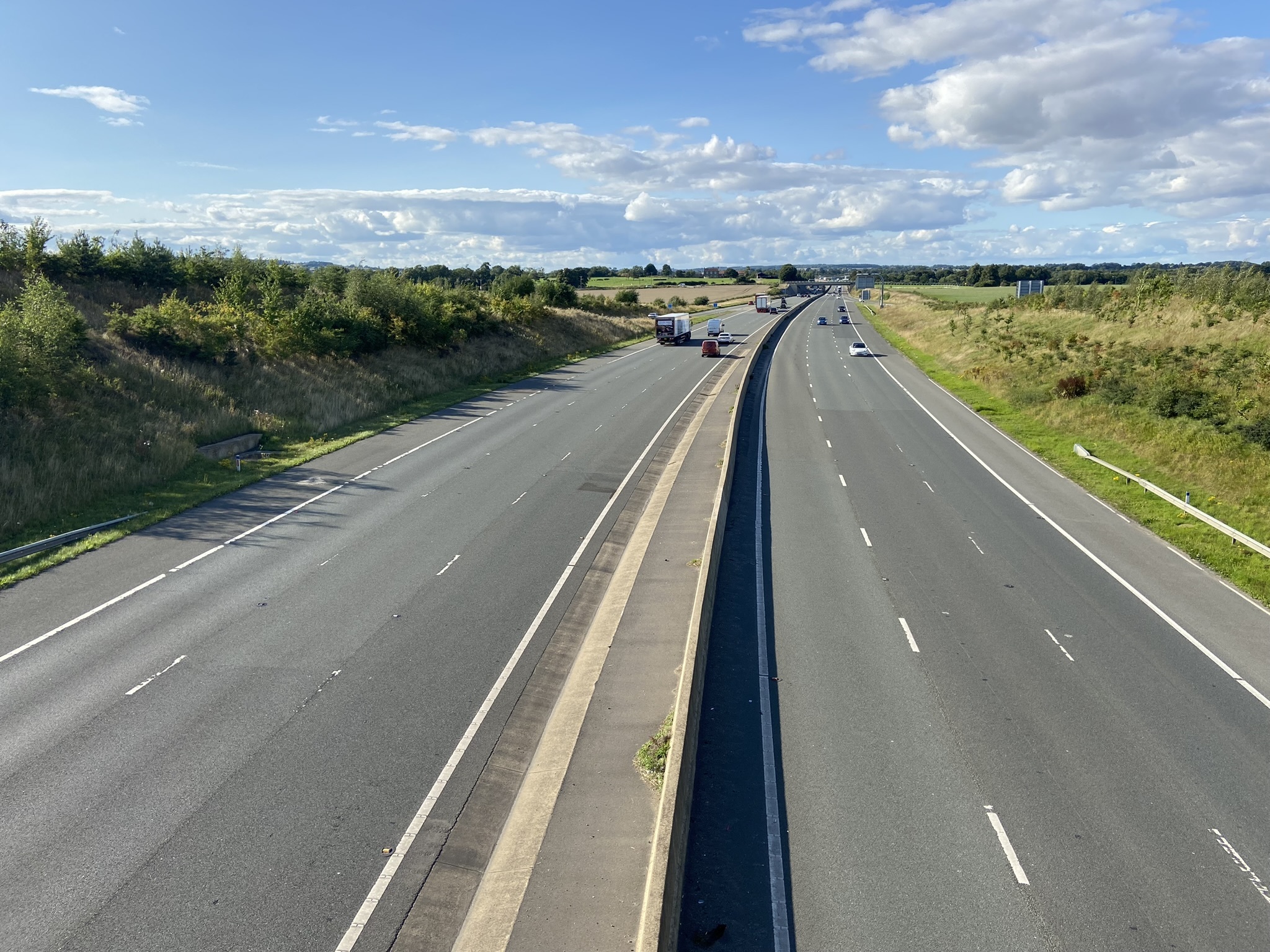
| Landscape | Slight adverse | As expected | The project had affected the landscape character and added new features including new gantries and overbridges. Mitigation had been provided to reduce these impacts and limit the urbanising effect. Mitigation planting was seen to be establishing and should support the design year outcome. |
| Townscape | Slight adverse | As expected | Effects were limited to the urban areas around Brompton-on-Swale and vegetation clearance had opened up views and altered the sense of place. Replacement planting was seen to be establishing and should support the design year outcome. |
| Heritage of historic resource | Moderate adverse | As expected | Extensive archaeological investigations were undertaken and a digital archive including scientific and popular publications was produced. The realignment of the A1 and new mitigation planting had delivered benefits to the setting of Oak Grange listed building. |
| Biodiversity | Slight adverse | As expected | Our site visit confirmed that the predicted impacts and proposed mitigation had occurred broadly as expected. Maintenance had improved since one-year after and provided this continues the design year outcome should be achieved. |
| Water environment | Slight beneficial | Worse than expected | The project’s impacts and planned mitigation were broadly as expected. However, maintenance issues identified at one-year after remained at five years after. There is a risk these issues could negatively affect the long-term drainage performance if they are not addressed. |
Images
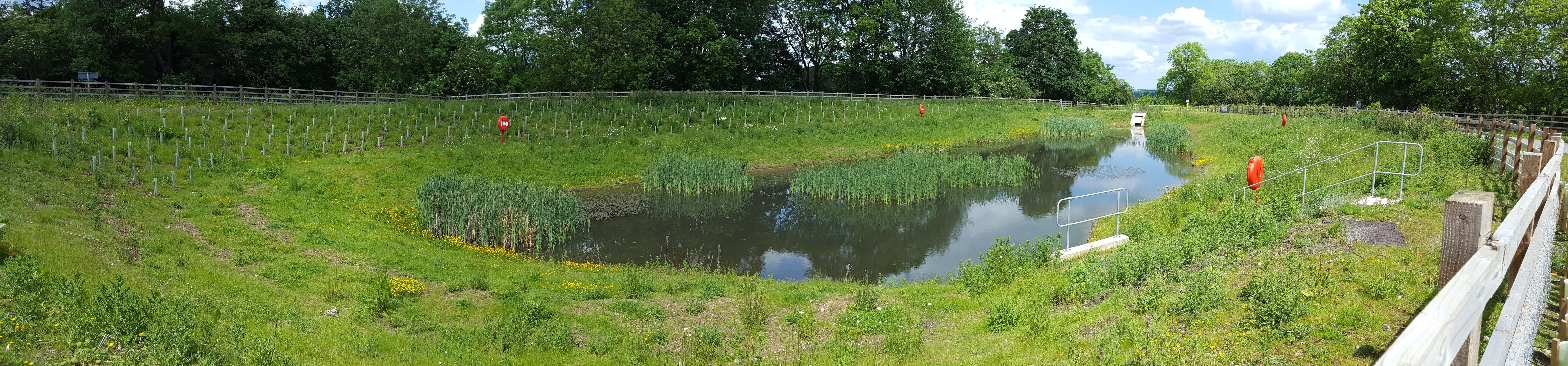
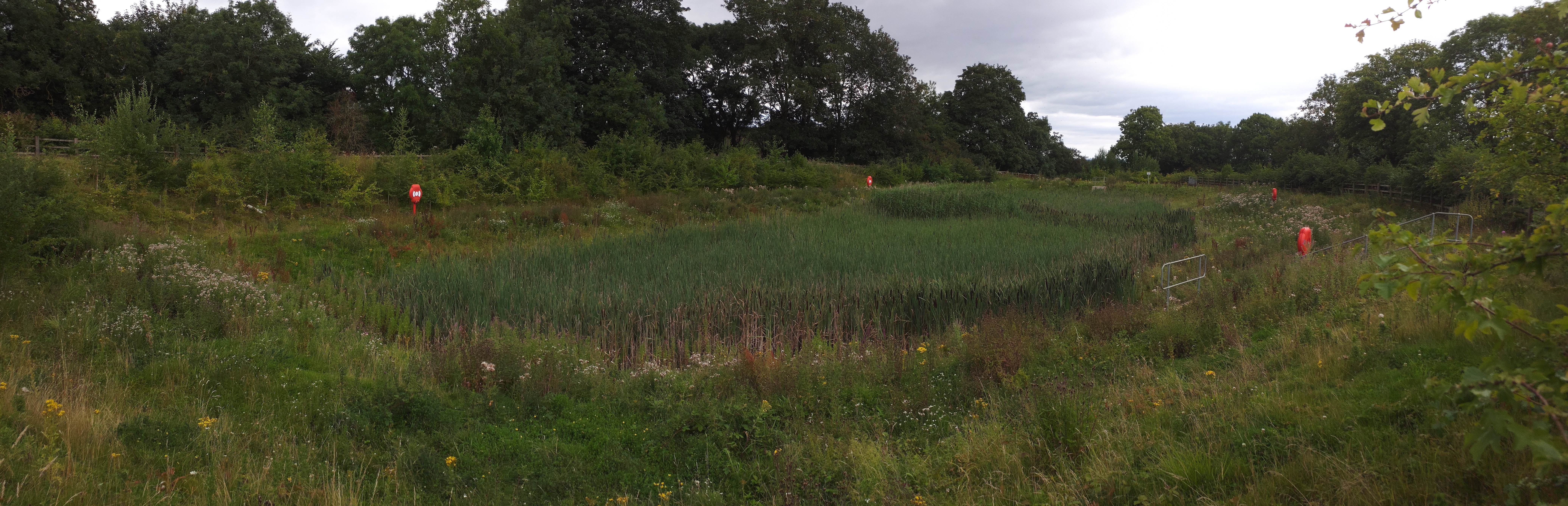
Images illustrating progress with mitigation planting overtime.