Nature
We will restore and enhance a richer, resilient and more biodiverse environment
Our soft estate
Did you know that we're one of the country's largest landowners?
The land we manage includes 30,000 hectares of green land, our 'soft estate'.
We're commited to using this land to:
- reconnect habitats
- reverse the decline in biodiversity
- help wildlife thrive
- increase environmental resilience to a changing climate
Nature on our network
We can make use of our network of green land to:
- reconnect habitats
- reverse the decline in biodiversity
- help wildlife thrive across a wider landscape
Here are pictures of some of the plants and animals found on our land - and the habitats we create for them.
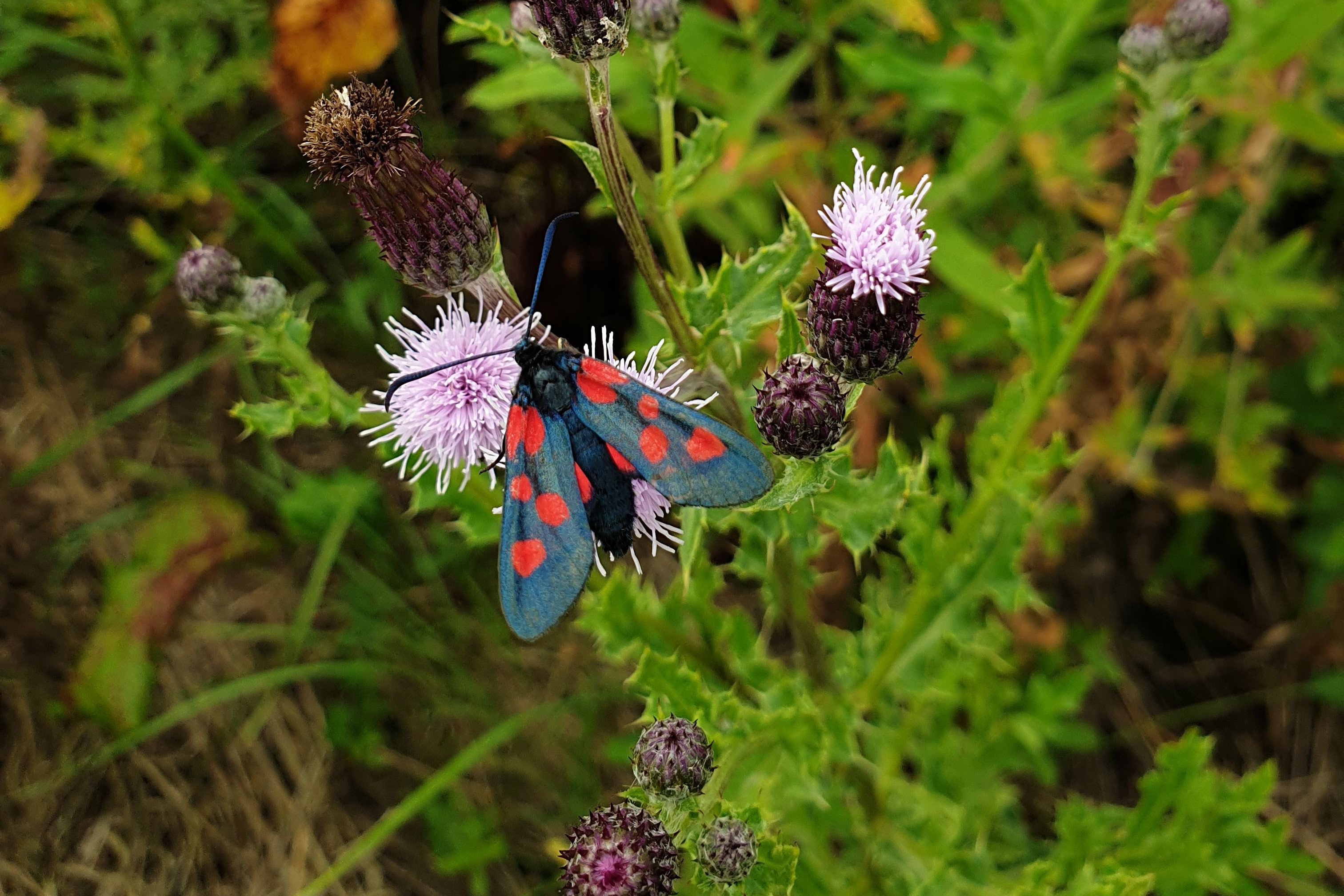
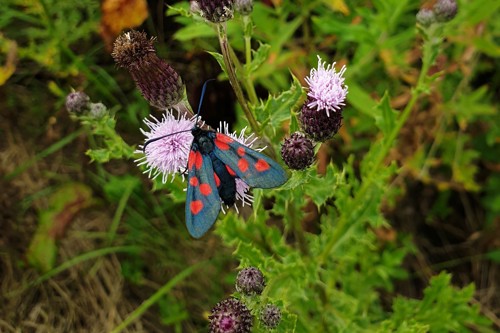
Five spot burnet moth
Location: Yorkshire and North East
The five spots on this moth's wings are a warning to predators, as it contains hydrogen cyanide.
Butterflies and moths can be valuable pollinators, together with bees and other insects.
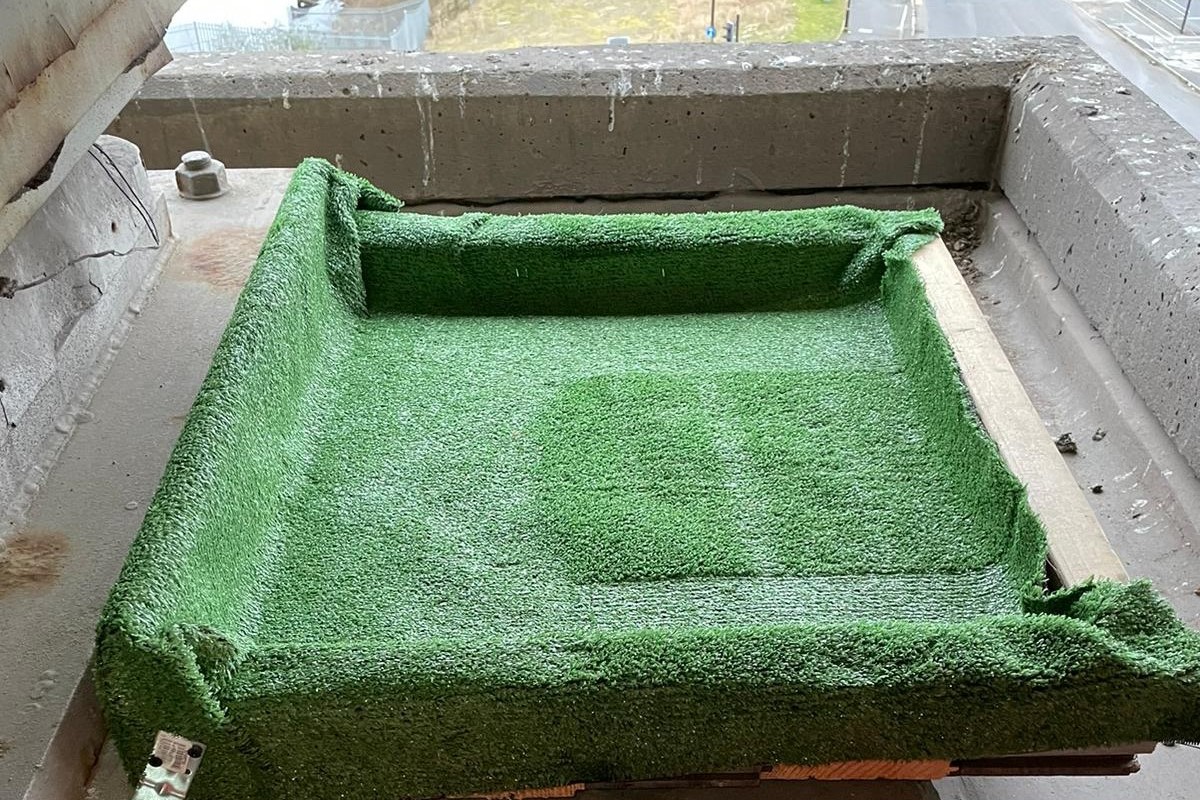
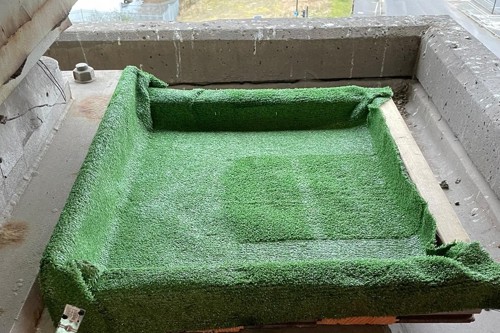
Nest box for peregrine falcon
Location: Yorkshire and North East
Peregrines have been observed nesting on the walkways underneath the M60 Barton high level bridge.
We installed a nest box under the bridge this year with help from local raptor volunteers.
Thought to be the world's fastest animal, Peregrines are protected under Schedule 1 of the Wildlife and Countryside Act.
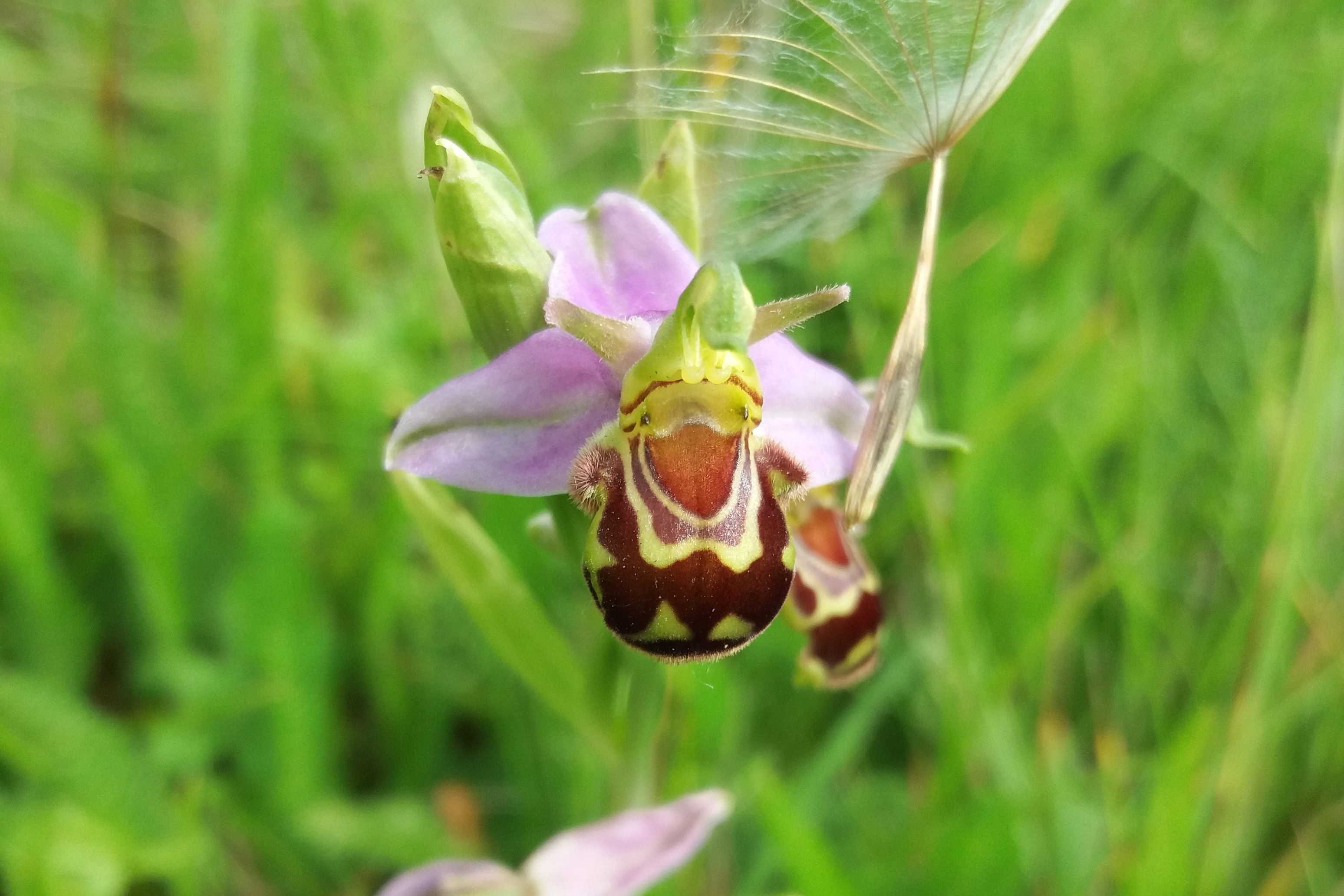
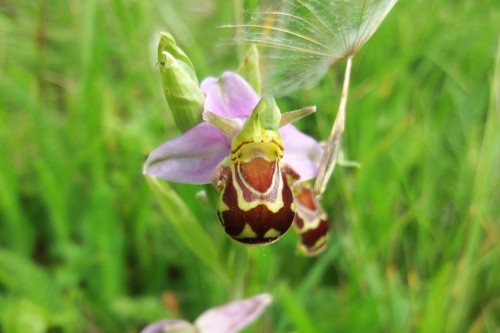
Bee orchids
Location: South West
15 years ago, we changed our methods of scrub control to encourage the spread of the existing bee orchid population.
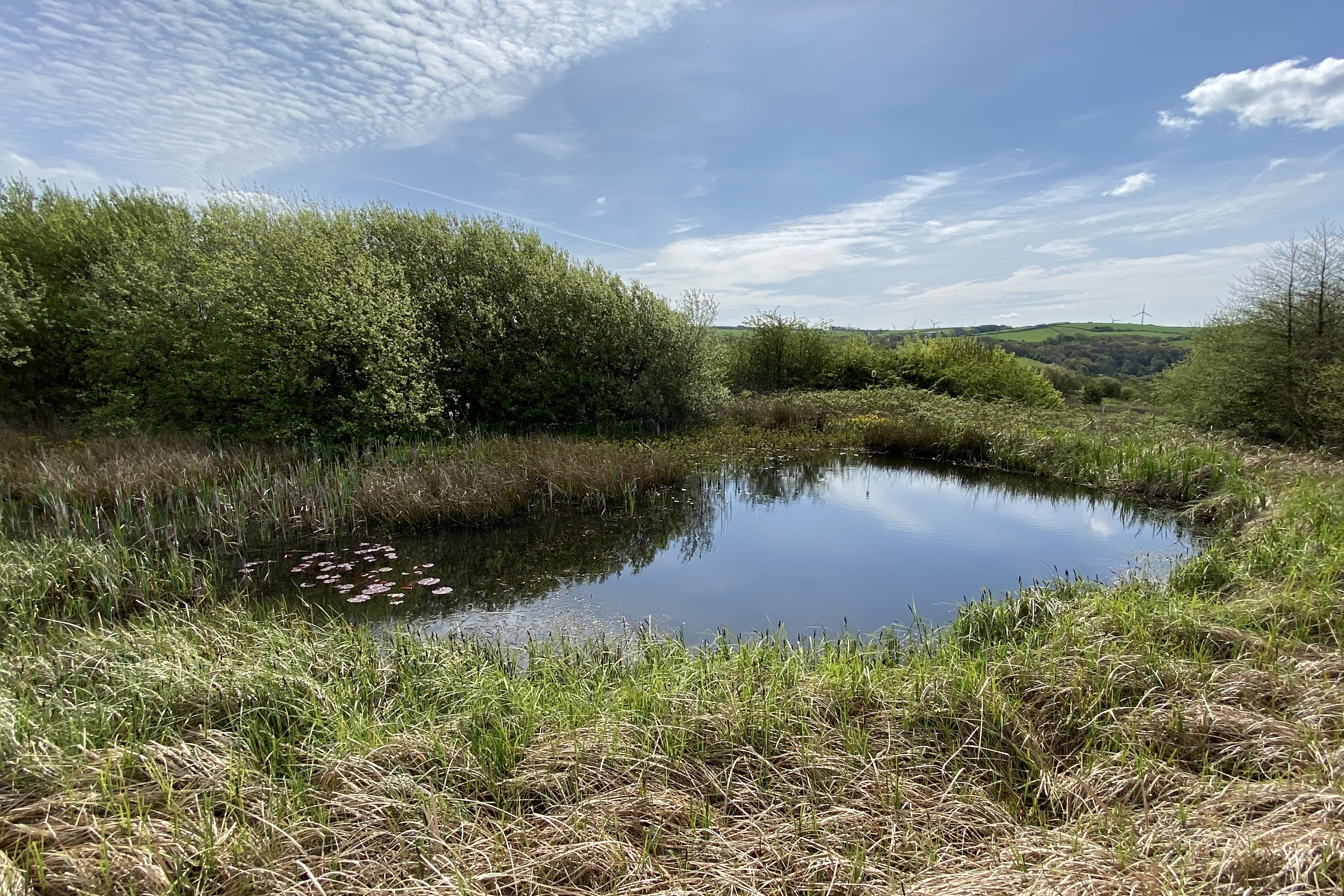
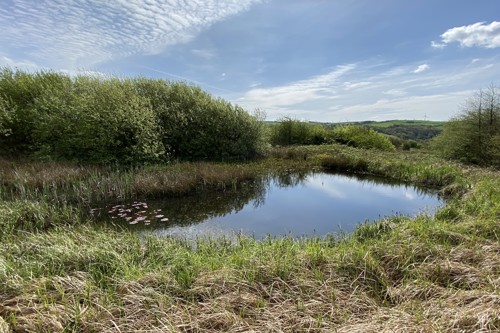
Creating ponds as part of our works
Location: North West
This picture shows one of the twenty ponds we constructed as part of the A556 Knutsford to Bowdon road scheme.
Surveys in 2020 confirmed Great Crested Newts in several of the ponds.
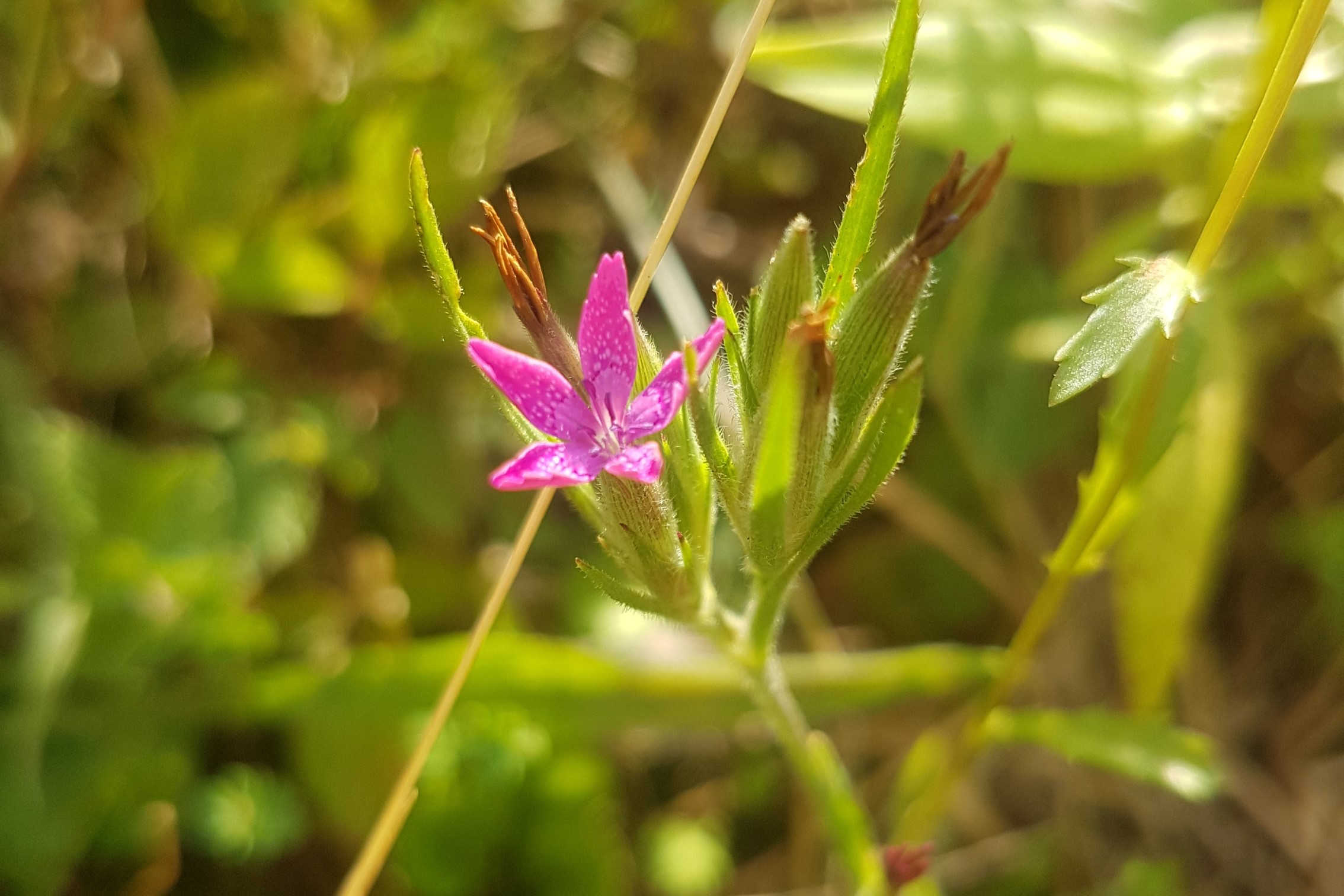
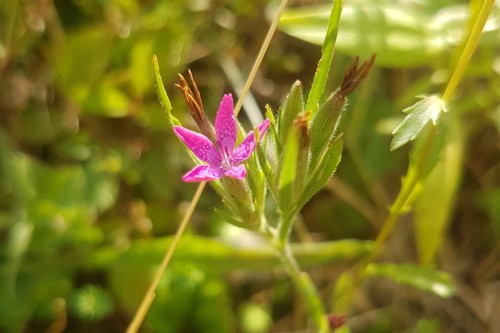
Deptford pink
Location: South West
The Deptford pink is only found at 15 sites in the UK, mainly in the South of England. One site on our network in Plymouth has over 100 plants.
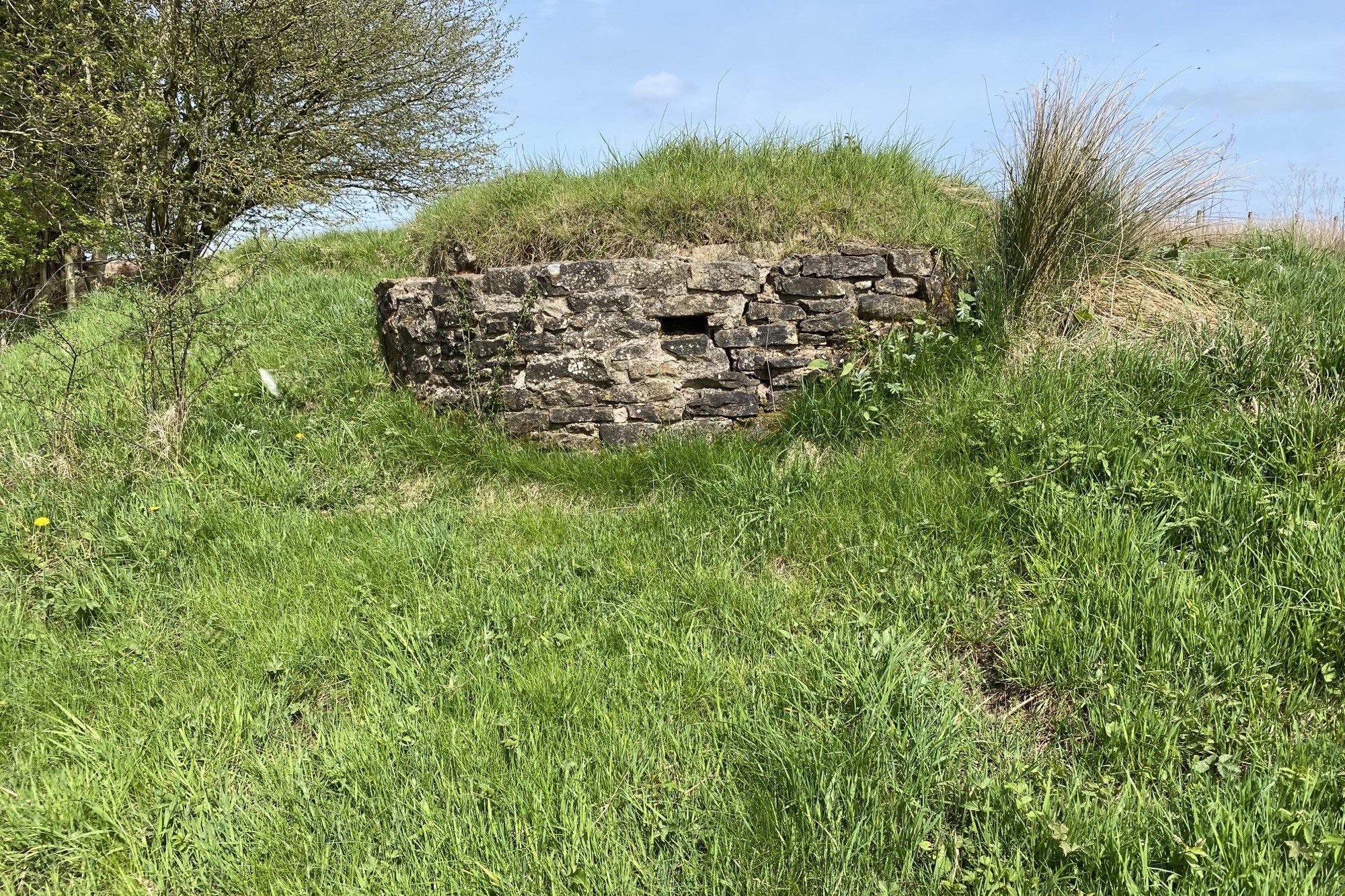
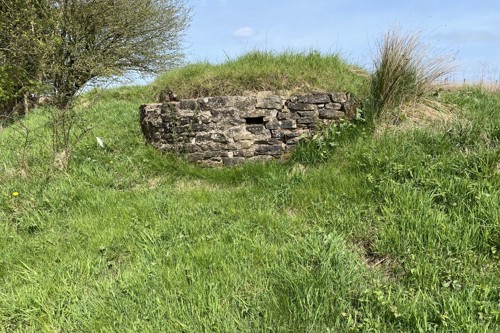
Homes for bats
Location: North West
We built this underground bat chamber as part of mitigation works for the A595 Parton to Lilyhall bypass.
We also build bat chambers into over-ground structures, like bus stops.
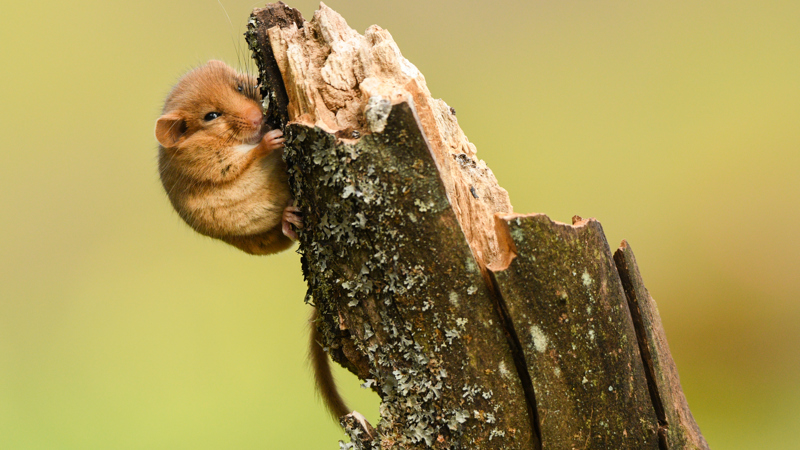
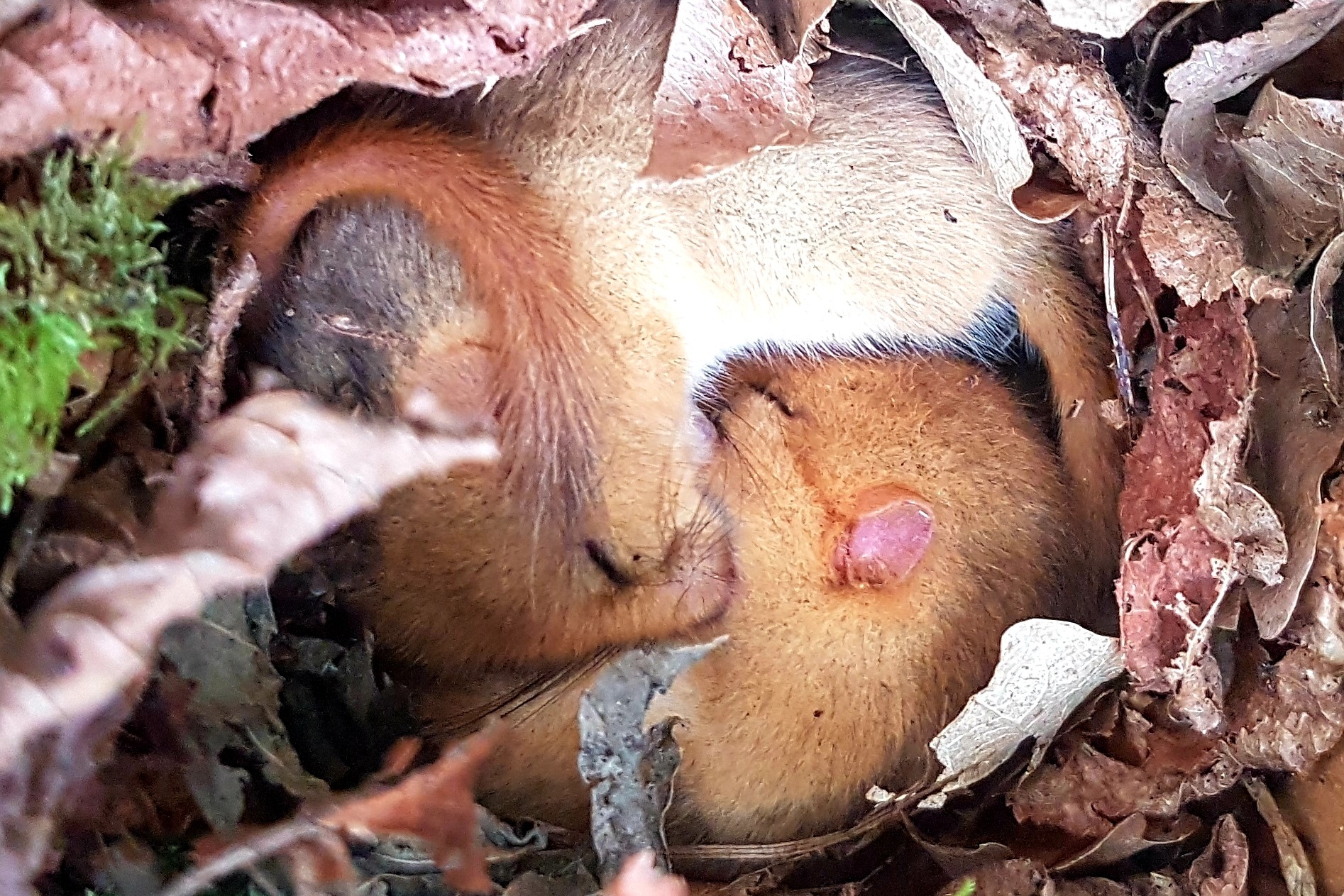
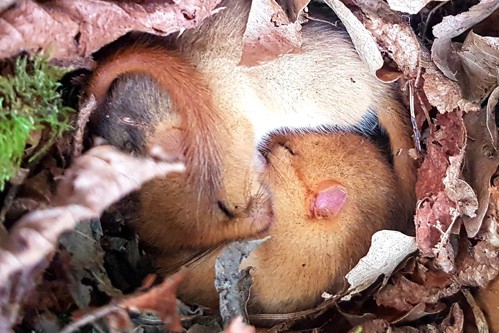
Dormice
Location: South West, East Midlands
We need to take account of dormice populations in approximately 90% of our South West projects.
The population at A43 Hazelbrough Wood is one on the most northerly populations of dormice.
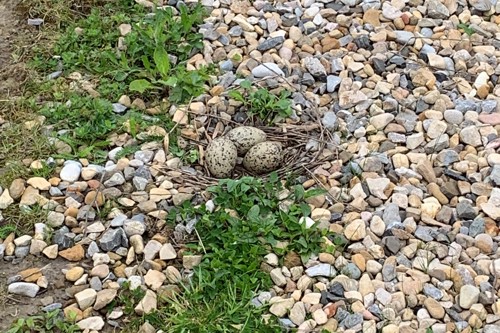
Oystercatcher nest
Location: Yorkshire and Norh East
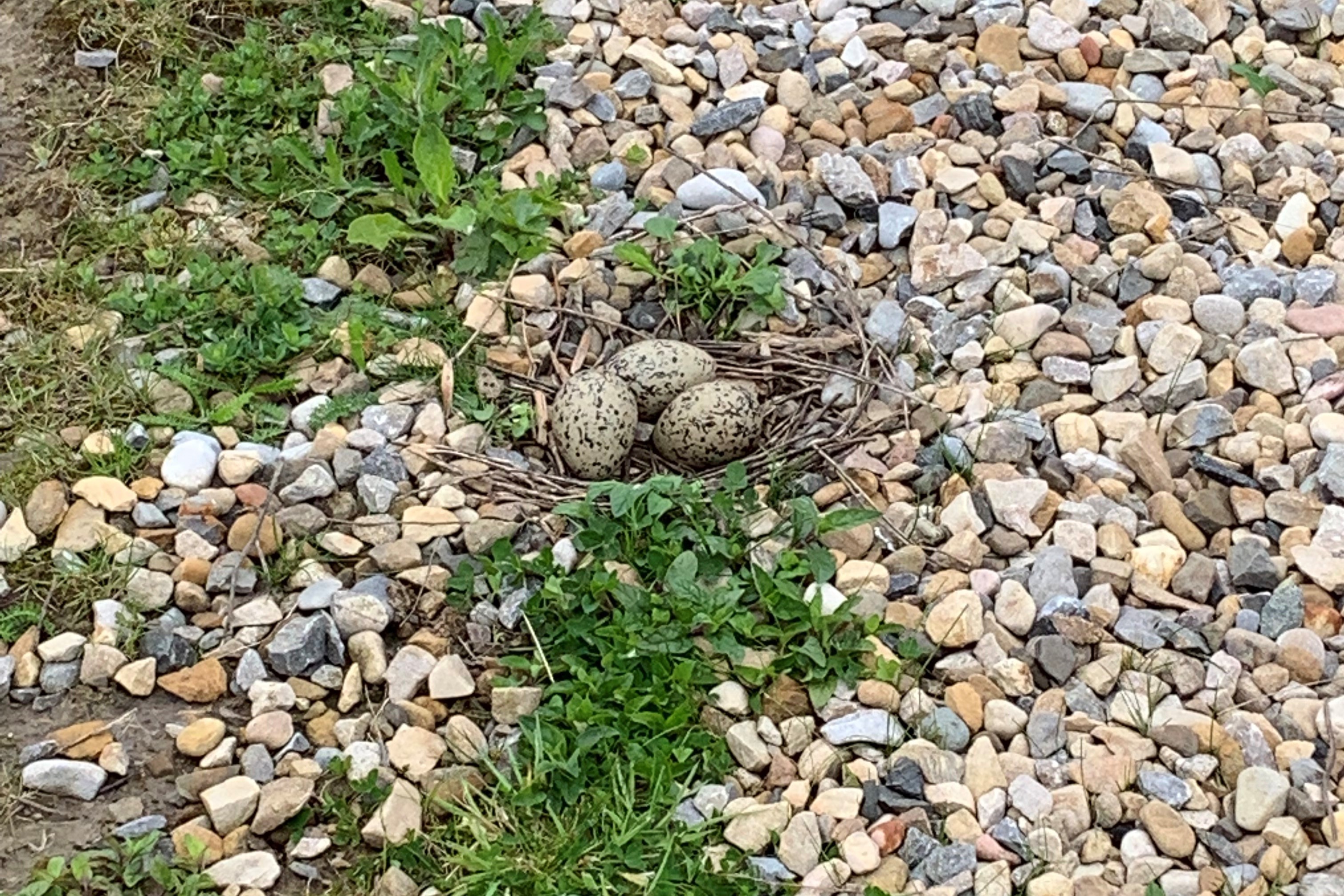
We found Oystercatcher eggs at several balancing ponds along the A1 (M).
Oystercatchers seem to be big fans of the filter drains that surround the ponds. The drains provide these ground nesting birds a perfect place to lay their eggs.
Planning for the future
Over the next three decades, we plan to deliver a sustainable road network that protects and enhances the environment:
- mitigating the impact of England’s busiest roads
- ensure that our land can be a force for good for generations to come
Our recently published Environmental Sustainability Strategy sets out our vision of a connected country and a thriving environment.
