Whetley Bridge
Refurbishment works began in September 2026. As the structure was opened up, more extensive deterioration was uncovered, and long-term repair options are now being assessed.

Share this article
Location: Powerstock, Dorset
Contractor: Amco Giffen
Status: Works commenced in September 2026 but are currently paused while further assessment and design work takes place. For public safety, the road over the bridge is closed until further notice. A signposted diversion route is in place.
History
The bridge forms part of the former Bridport Branch Railway, which connected Bridport and Maiden Newton in Dorset. Authorised by an Act of Parliament in 1855, the line opened in 1857 and was the last broad-gauge railway constructed in Dorset. It was converted to standard gauge in 1874 and extended to West Bay in 1884.
The line became part of the Great Western Railway (GWR) in 1901 and eventually closed in 1975, making it one of the final closures associated with the Beeching Report.
About the structure
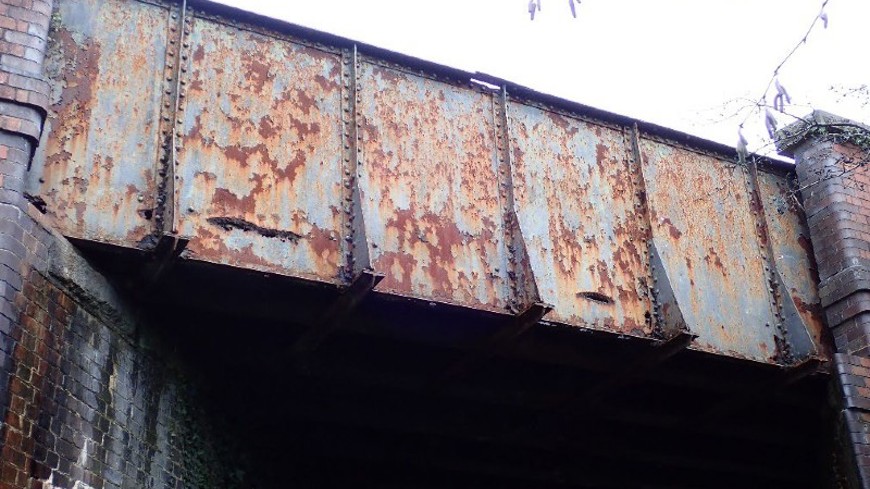
The bridge is a trough-deck overbridge carrying King's Lane over the former railway line near Powerstock, north-east of Bridport. The abutments and wing walls are constructed from brickwork, and the deck is formed from steel trough sections with steel edge girders.
What is the project?
The project was developed to refurbish the bridge and replace the edge girders with new matching girders, helping to maximise its operational lifespan and ensure the continued safety of the public.
The original scope included:
- Replacing the heavily corroded edge girders with bespoke fabricated replicas matching the original appearance
- Abrasive blasting and repainting the steel trough deck
- Installing a waterproofing system above the deck to protect the steelwork from further water ingress and corrosion
- Repointing and repairing the brickwork abutments and wing walls
What stage is it at?
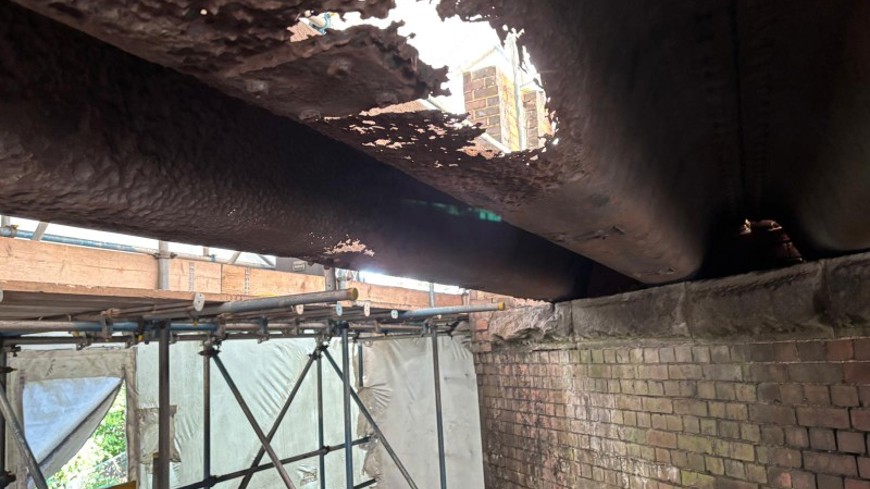
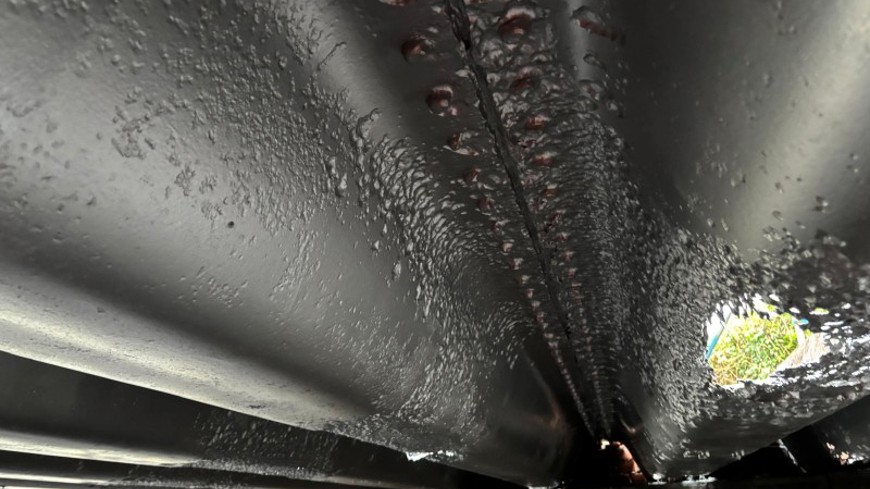
The full extent of the deterioration became evident after refurbishment works commenced in September 2026 and elements of the deck were exposed. These investigations found the condition of the steel deck to be significantly worse than previously identified.
Extensive corrosion and numerous holes were discovered along the historic "blast line" area directly above where steam locomotive exhaust would have impacted the underside of the deck.
Remedial works are currently paused while options are explored to ensure its long-term safety.
We will continue to keep this page updated with the progress of our works.
The role of the Historical Railways Estate
The Historical Railways Estate (HRE) is a collection of over 3,100 structures and assets which were once part of Britain's rail network.
Since 2013 we've been responsible for looking after it on behalf of the Department for Transport. Many of the structures were built more than 100 years ago.
Safety is our highest priority, and it underpins every decision we make across the Historical Railways Estate. We also have a responsibility to ensure investment delivers value for money and is targeted where it will achieve the greatest benefit.
Funding is prioritised to improve safety, protect our historic assets, and, where appropriate, support opportunities for future community use, while ensuring the long-term sustainability of the estate.
